​Why South Indian Meals Are the Perfect Blend of Taste and Nutrition

Dev Stephen • June 17, 2026

Ask someone to name their favourite Indian dish, and you'll almost always hear the same few answers. Butter chicken. Biryani. Maybe a paneer something. Totally understandable, those dishes earned their reputation. But the southern part of India has been quietly doing its own thing for centuries, and most people outside the subcontinent haven't properly explored it yet. 

The cooking down there runs on different principles altogether. Fermented batters, fresh coconut, tamarind, curry leaves, mustard seeds, and popping in hot oil. Nothing flashy. Nothing heavy. Just food that keeps tasting better the more attention you pay to it. Next time you're searching for south Indian meals near me, actually go. It's worth it.


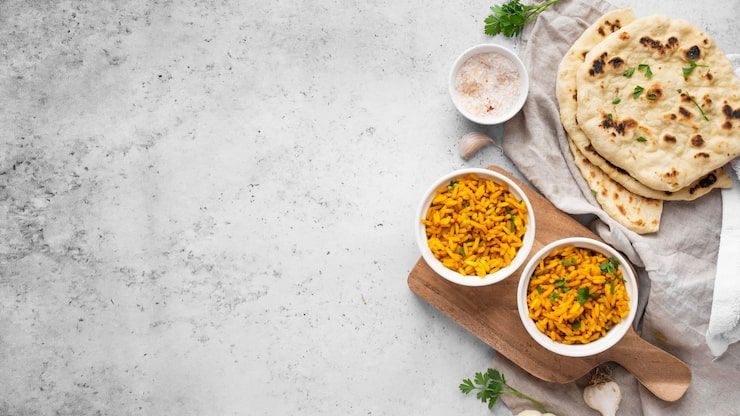
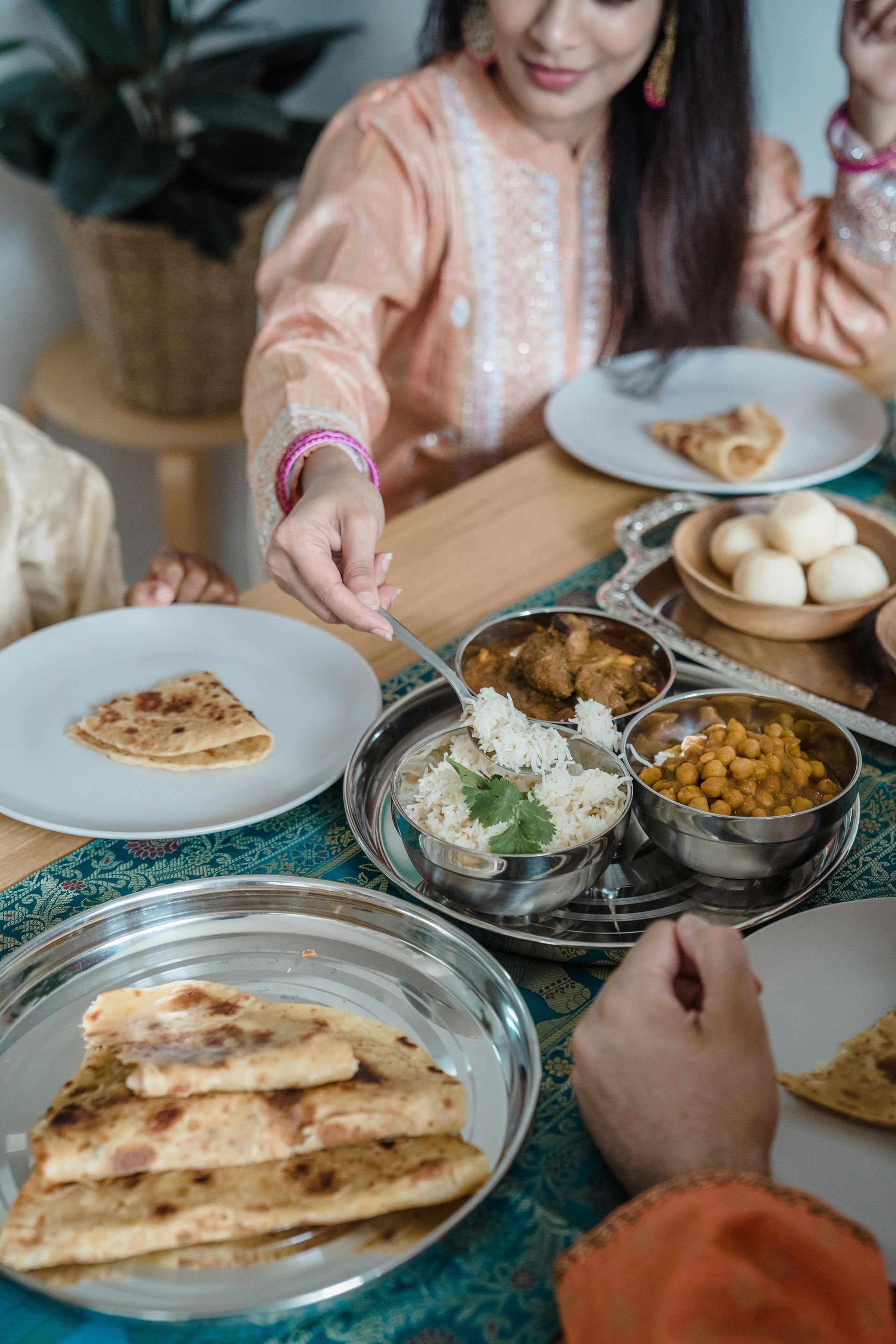
indian food serve

Three Dishes, One Batter, Zero Resemblance

Rice and black lentils. Soak them, grind them, and leave the batter out overnight to ferment. That's the foundation for idli, dosa, and uttapam, three dishes that share almost nothing in common by the time they land in front of you.


Idli gets poured into round moulds and steamed. No oil, no pan, no browning. Just steam. They come out soft and pale and lighter than you'd expect, the kind of thing you can eat several of without feeling weighed down. 


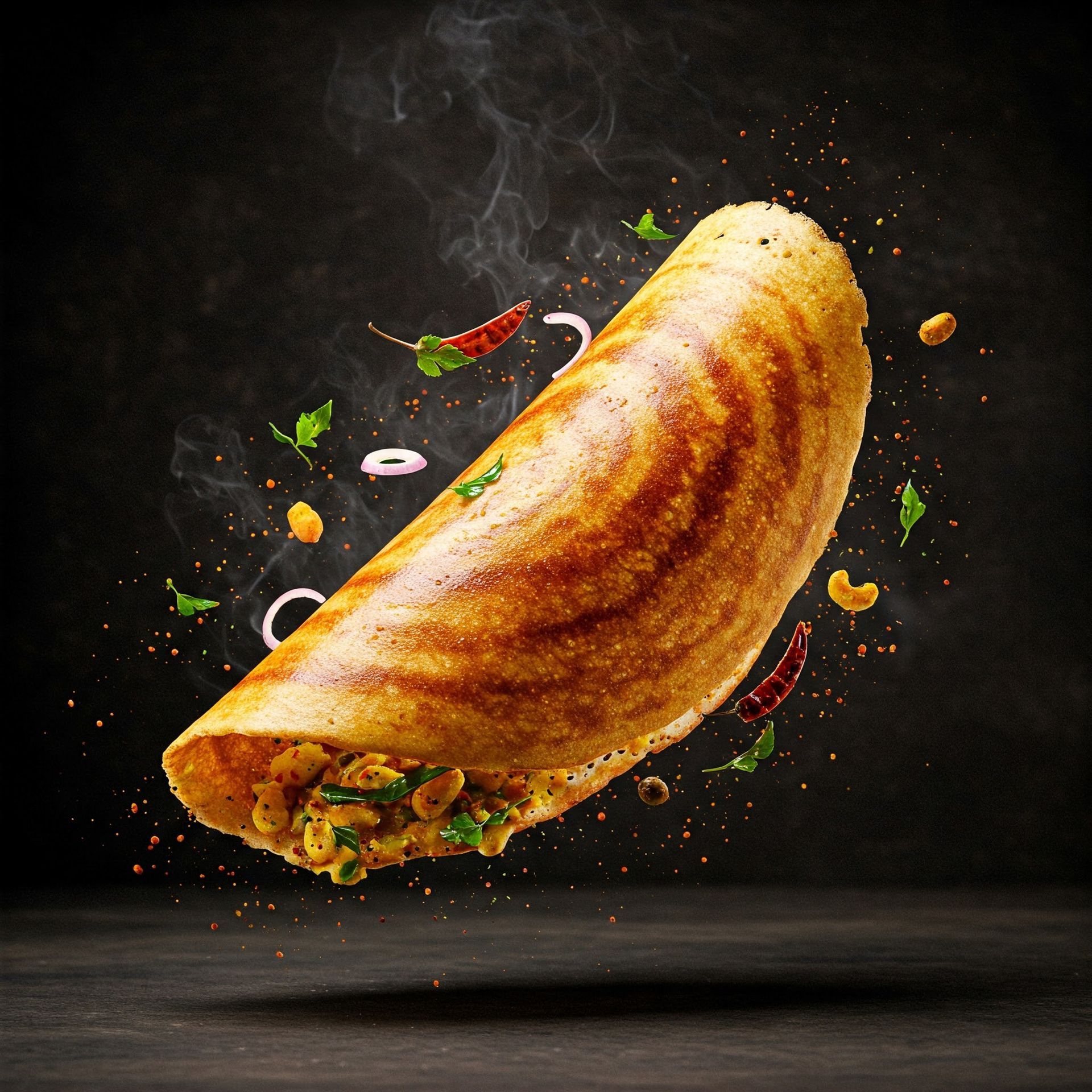
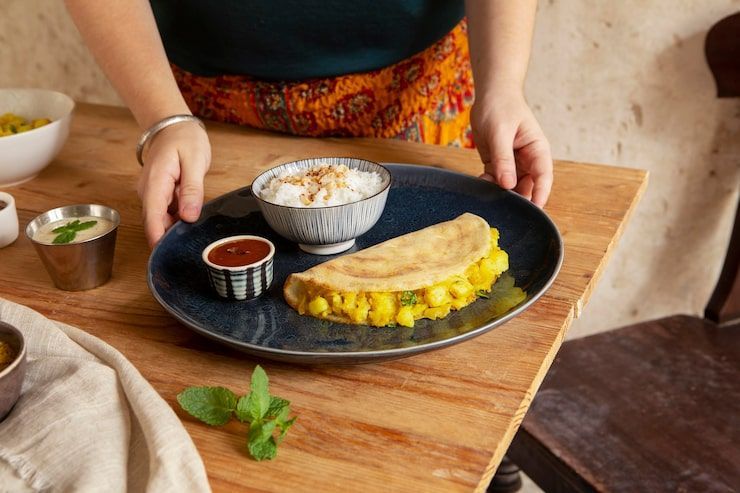
Dosa takes the exact same batter somewhere completely different. Poured thin across a very hot flat pan, spread out wide, cooked until the underside crisps and the edges start to colour. Masala dosa comes with spiced potato filling tucked inside before folding. Rava dosa doesn't even use the fermented version; it's made from semolina, and it comes off the pan looking almost like lace, thin and shatteringly crunchy. 


Uttapam is the slow one of the group. Thicker batter, lower heat, with raw onion and tomato, and green chilli pushed into the top surface while it cooks through. More substantial than the other two. More filling. Understanding the difference between dosa, idli, and uttapam really does change how you order.

Two Sides That Do All the Work

South Indian food operates on the logic that nothing should arrive alone. Every dish has a partner, and the sambar coconut chutney combination is the clearest example of how well that thinking works.

Sambar is lentil-based, cooked in tamarind water with whatever vegetables are around, drumstick being the traditional one, but pumpkin and okra show up regularly, too. The spicing varies by region and household, but the result is always the same general territory: sour, savoury, warm, and deeply filling without being heavy. 

Coconut chutney is fresh coconut blended smooth with green chilli and salt, then finished with a tempering of mustard seeds and curry leaves that go in a crackling hot. The two things taste nothing alike, which is precisely the point. Sharpness and creaminess, heat and cool, all on the same plate. Beyond the flavour pairing, both things happen to be genuinely easy on the stomach, something you tend to notice an hour after eating when you feel fine rather than sluggish.

Discover your next favorite South Indian dish.

How to Tell If It's Actually Authentic

The gap between a restaurant that cooks South Indian food properly and one that just uses the name is noticeable if you know what you're looking for. Knowing how to identify authentic south Indian food saves you from a few disappointing meals.

Real coconut chutney is made from fresh coconut, not the dried desiccated type from a bag. The tempering in the sambar should smell like mustard seeds and curry leaves hitting hot oil, not just a generic spice smell. Coconut oil should be present somewhere in the cooking. 

Tamarind should be providing the sourness, not vinegar or something synthetic. The food overall should taste clean and relatively light. If it feels oily or muddy in flavour, shortcuts are taken.


For anyone craving authentic South Indian flavours in Maryland, there are plenty of great places to explore. Searching for Indian food in Baltimore, MD, brings up places that have put real thought into what they're serving. Baltimore Indian restaurants have generally gotten more regionally specific over the past few years rather than relying on catch-all menus. And when going out isn't practical, food delivery in Baltimore, MD, means a hot meal shows up at the door without much effort.


South Indian Restaurant, South Indian Restaurant Near Me

Conclusion

South Indian cuisine is one of those things that rewards repeated eating. The first time, you might just notice that the dosa was crispy and the sambar was good. After a few more visits, you start noticing the fermentation in the batter, the way the rasam changes throughout the meal, and the reason every component on the thali tastes better alongside the others than it would alone. 

It's food built on centuries of actual knowledge. Healthy because the methods make it that way, not because anything got left out. Whether it's a quick dosa midweek or a full thali when you have time to sit properly, Unavu makes it easy to experience these authentic flavors. If you've been searching for south Indian meals near me, visit us.

Craving real taste right now?

Frequently Asked Questions

Are South Indian meals healthy?

Where can I find authentic South Indian meals near me?

​What is included in a traditional South Indian thali?

​Why is fermentation important in South Indian cooking?

​Is South Indian food suitable for vegetarians and vegans?
Indian food
Por Dev Stephen 11 de junio de 2026
Discover authentic Indian cuisine in Baltimore MD, from South Indian dishes to vegetarian options and local dining spots worth trying.
south indian foods
Por Dev Stephen 26 de mayo de 2026
Discover why South Indian meals feel light yet filling. Try authentic South Indian food and veg meals in Baltimore at Unavu.
Por Dev Stephen 19 de mayo de 2026
Get the best vegetarian food in Baltimore with authentic South Indian dishes, vegan options, and homestyle Indian dining experiences.