Why Fresh Spices and Traditional Recipes Matter in Indian Cooking
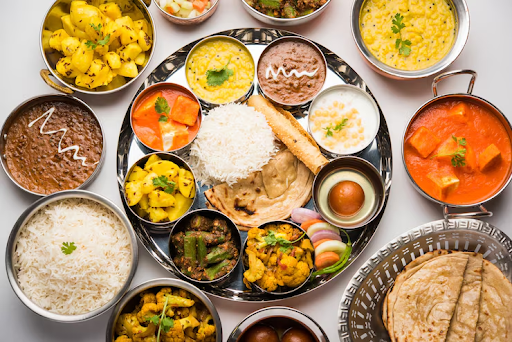
When you walk past a kitchen where a traditional Indian meal is cooking, the aroma hits you immediately. It is not just one smell; it is a complex layer of crushed cardamom, toasted cumin, and the sudden, comforting snap of a fresh curry leaf hitting hot oil. This deep sensory experience is exactly what makes South Indian homestyle village cooking stand out from ordinary dining.
Searching out food that has anything close to this type of sincere comfort can be a considerable challenge amidst modern life; You want modest, well-rounded everyday meals that are satisfying for the soul but not too heavily weighing. It takes commitment to heritage and a refusal to cheat best practices in order to achieve exacting balance.
At Unavu, we believe that you cannot create authentic taste using preservatives, store-bought paste shortcuts, and commercial food colors. If you are near the East Coast and want to experience this type of culinary dedication, all it takes is discovering a devoted
Indian restaurant Maryland that enhances your next dining experience by placing the most exemplary menu right in front of you.

Ditching the Boring Fake Meats for Real Food
The core secret behind true authentic Indian cuisine is incredibly simple: freshness. Commercial kitchens often rely on pre-ground spice powders that sit in massive warehouse plastic containers for months at a time. Over those months, the natural oils inside the seeds dry up, taking the essential aromatics and deep health benefits with them. The result is a heavy, muddy heat that masks the actual ingredients instead of lifting them up.
- Whole Pods vs. Pre-Ground: If you grind green cardamom pods, cinnamon bark, and cloves in small batches, you pull out these bright, lively top notes that stay noticeable on the palate.
- The Sizzle Factor: Once you drop fresh mustard seeds and curry leaves into hot oil, you build this steady base that makes authentic Indian food in Maryland have that signature light, but still satisfying texture.
- Balanced Heat: going with real unprocessed spices lets you enjoy rich, deeper profiles, without chasing artificial taste enhancers or relying on overly heavy fats.
Experience authentic flavors made fresh daily.
Preserving Heritage with Traditional Indian
Recipes
In our kitchen, the recipes are not designed in formal culinary schools. Instead, they are the embodiment of the living history of an uncomplicated, sunny kitchen in Tamil Nadu where, for generations, a grandmother would automatically season her food according to age-old family lore. These traditional Indian recipes fulfil a much greater role than filling a page for the menu; they preserve a nutrient philosophy which balances health with taste.
Exploring Rich Regional Diversity: Dosa, Biryani, and Beyond
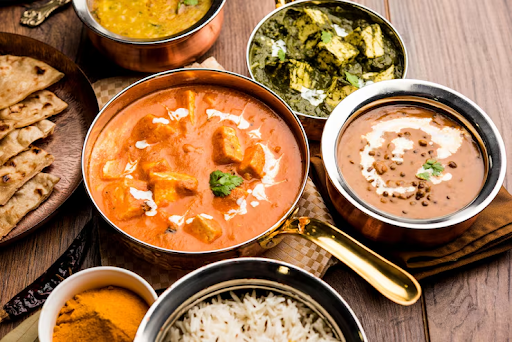
Many people assume all subcontinental cooking follows the same basic formula. In reality, the regional variations are just massive and hard to ignore. While North Indian food usually shows heavy creams and thick tomato gravies, South Indian cooking leans toward light fermented rice batters, fresh lentils, and more lively coconut notes.
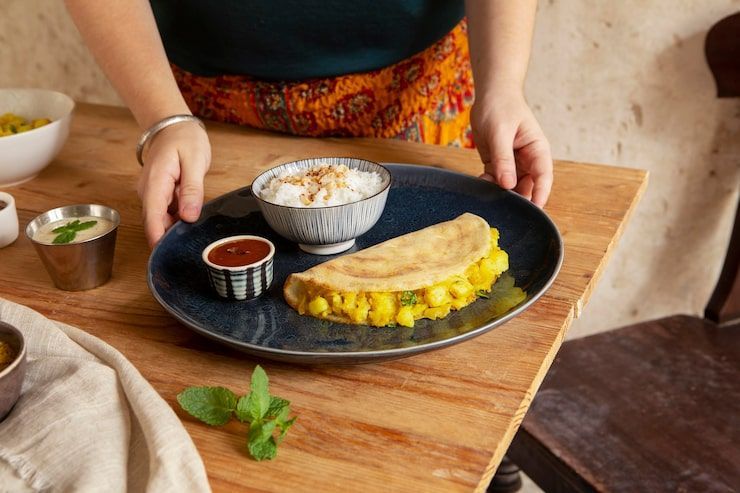
If you’re looking for premium Indian cuisine in Maryland, it actually means you get real, direct access to these different regional specialties. Like, making a perfectly thin, golden Masala Dosa takes time because the batter needs a slow fermentation of rice and black lentils. And then to get that signature crispy outer texture, plus a soft interior, you have to manage the flat-top temperature in a really exact way, no rushing, no guessing.
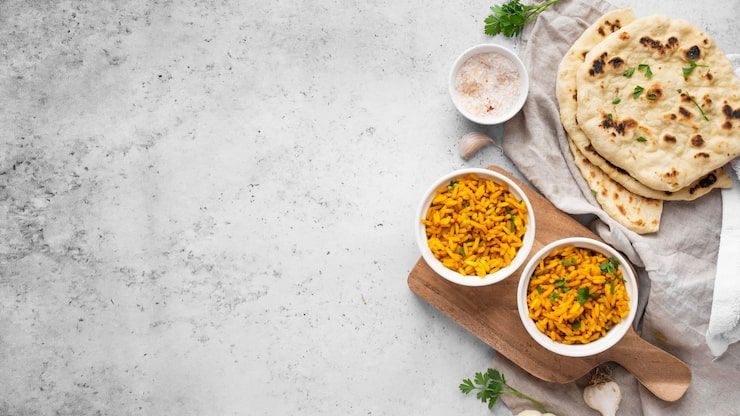
Similarly, our aromatic Ambur chicken biryani uses premium Seeraga Samba rice instead of the usual basmati. That smaller grain soaks up the natural juices from the marinated meat and the house-ground spices. So what you end up tasting is an authentic village-style flavor profile that stays clean, feels light, and honestly, comes across as entirely unique.
Conclusion
Even if you live a fast-paced lifestyle, there is no reason to have to sacrifice the quality of your meals or your health. Real food should be simple, inexpensive, and free from stress.
At Unavu, we bridge the gap between ancient culinary heritage and contemporary convenience. We have an entire takeout-only kitchen setup with pickup lockers that'll help you grab hot and fresh South Indian comfort food when you need it. We use no artificial colours, do not use MSG, and do not take any shortcuts, just honest-to-goodness ingredients that are processed with utmost care.
Craving real South Indian comfort food?
Frequently Asked Questions
Are vegan restaurants in Maryland suitable for non-vegans?
Yes, totally! Instead, a great plant-based place is all about making food taste good in the hopes that anyone really could enjoy it even if they generally don't eat that way. With brilliant spice blends and fresh produce, Unavu serves up hearty, comforting traditional South Indian recipes filled with flavours that meat eaters will love every bit as much as vegetarians or vegans, leaving everyone 100% satisfied.
Do vegan restaurants offer gluten-free menu options?
Well, many plant-based menus are automatically found for the wheat-free group. This is hardly surprising when you realise that traditional South Indian cooking, with its reliance on staples like rice, lentils and finger millet instead of conventional flour, means a real dosa has no gluten at all and similarly soft idlis are gluten-free, so you can enjoy it guilt-free.
What is the difference between vegetarian and vegan dining?
Vegetarian food has no meat in it, but the kitchen can still use animal products like cow milk, cream or butter, ghee, which is clarified butter, cheese, or even honey. Then, if you go a step further than vegan dining, you end up with a stricter setup, because vegan meals use no animal products at all. On the menu, everything is 100% plant-based, so dairy is not allowed, and eggs are out too, plus any animal-derived additives can’t be used in the building, not anywhere.
Are plant-based meals healthy for everyday dining?
Honestly, that’s good for you when the kitchen skips the super heavy processed substitutes and keeps it to real, whole stuff like beans, grains, and fresh greens. Because they don’t pile on fake colors or those chemical flavor boosters, clean cooks tend to make it feel lighter and easier on the stomach, which is a great option for a quick, healthy lunch-dinner.
Can I get authentic Indian food that is completely dairy-free?
Most Northern Indian curry spots make their food with gobs of cream or butter and yogurt, but if you have to avoid dairy for whatever reason, South Indian food is a wonderful option. You have deep, spicy flavors with no dairy at all because most of those traditional vegetable stews, lentil broths, and curries flavor from coconut milk or clean seed oils for a rich texture.