Why South Indian Food Is the Smart Choice for Clean Eating
| Element | Processed / Pre-Packaged | Fresh & Artisanal |
|---|---|---|
| Vegetable Texture | Soft, watery, or overly dense | Crisp, tender, and naturally vibrant |
| Spice Profile | Flat, muted aroma | Aromatic, dynamic, and rich in essential oils |
| Nutritional Value | Depleted over time | Maximum vitamin and mineral retention |
| Preservatives | Often present for shelf life | 100% natural and additive-free |
Because it is built on rice, lentils, vegetables, coconut, and spices, and most of it is steamed, fermented, or slow-simmered instead of being propped up with additives. You can usually name everything on the plate.
If you have been searching for the
best Indian food Baltimore
has to offer without giving up the way you like to eat, this post is for you. We will look at what clean eating really means on a plate, why South Indian cuisine fits it so naturally, how Indian spices do the work that artificial flavour usually does, and what to order from Unavu, the home-style kitchen that cooks from recipes passed down through generations.

What clean eating actually means
Clean eating gets thrown around a lot, so let's keep it simple. It means food that looks like food. Ingredients you can name, cooked in a way that does not hide much, with as little processing in between as possible. No powdered flavour boosters, no mystery colours, nothing added to stretch shelf life.
That is harder to find than it sounds when you are hungry on a weeknight, plenty of quick options lean on salt, sugar and preservatives to make up for what they lack. Home cooking does not need any of that, and this is where South Indian cooking has a natural edge.
Why South Indian cuisine fits so well
South Indian cuisine evolved based on the offerings of the land - rice, millets, lentils, tamarind, coconut, curry leaves and whichever vegetables happen to be available at a particular time. An average South Indian meal will have rice or batter pancakes, lentil preparation for proteins, a side dish made out of vegetables, and something sour or fresh as well. That was an ideal plate, and no one thought of calling it a diet.
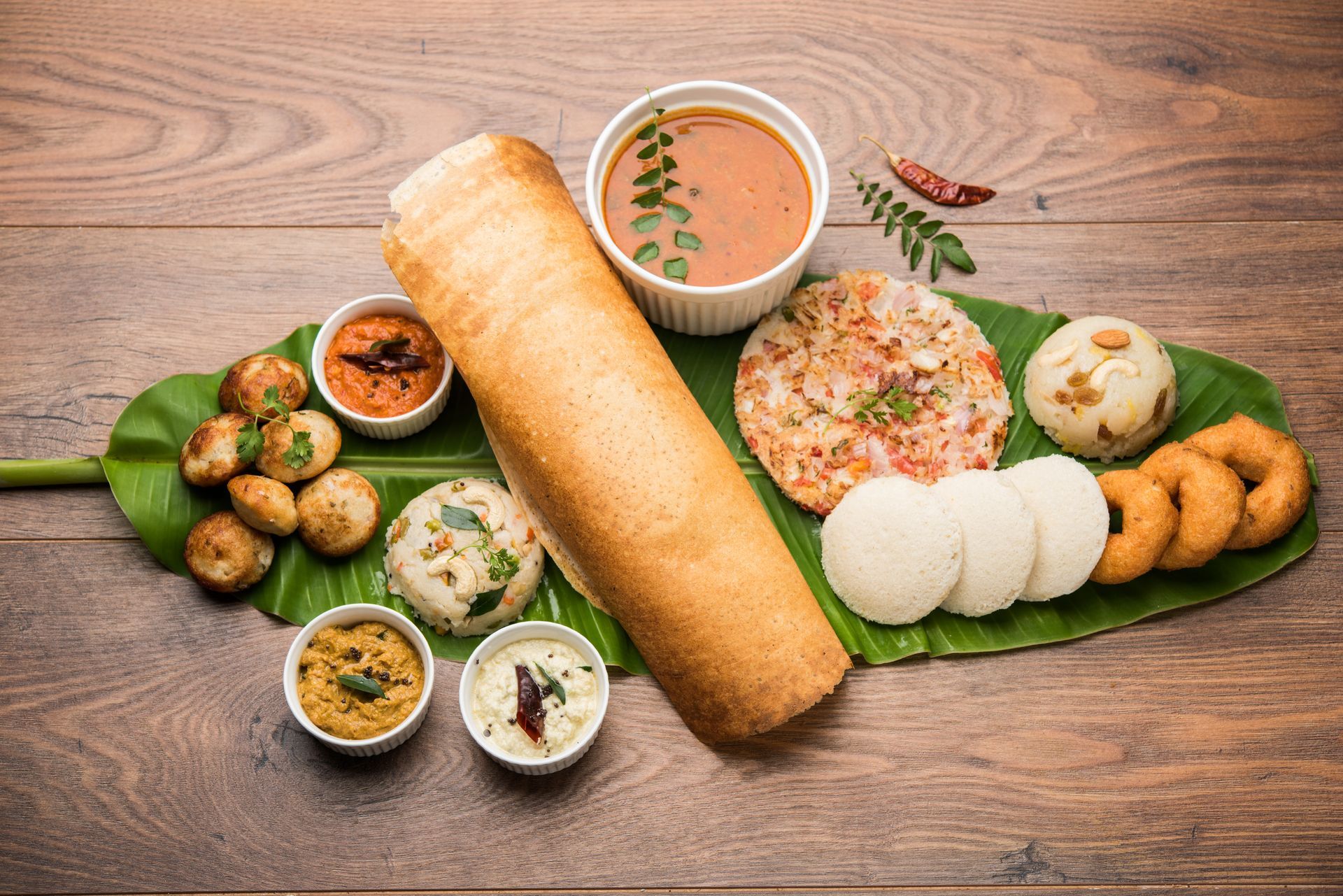
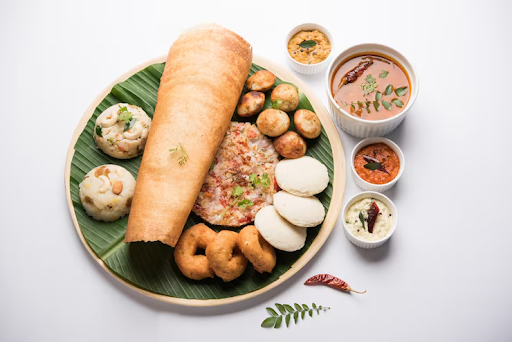
Idli and Dosai are perfect examples of healthy foods prepared without fuss and using readily available local ingredients. The batter used for making idli and dosai is made using rice and urad dal, which are ground and kept for fermentation overnight. This not only adds a slight sour taste to the preparation but also makes it easier to digest. The idlis are steamed, and hence there is no cooking process involved.
Then there are the small dishes that round things out. Rasam is a thin, peppery tamarind soup. Poriyal is a quick vegetable stir-fry finished with grated coconut. Curd rice cools everything down at the end. None of it is complicated, and almost all of it is cooked fresh, often the same day it is eaten.
The Indian spices are doing the heavy lifting.
And here’s the surprise for those who haven’t tasted it before. There are dishes in South India which can be full of flavor yet light on your stomach. That is because of the method of seasoning used in Indian cuisine. Mustard seeds sizzle in hot oil until they pop, followed by curry leaves, and then come the flavors of turmeric, pepper, ginger, cumin, and asafoetida.
The point is not that spices are magic. It is that they let a cook skip the shortcuts. When a kitchen says no artificial taste enhancers, no food colours, and no preservatives, spices and patience are how it manages to say that and still serve food people want to eat again.
Curious how clean South Indian cooking actually tastes?
Where Unavu fits in
People hunting for the best Indian food Baltimore has often asked about authenticity first, so here is the short version of the Unavu story. It began with a few Tamil recipes from the founder's grandmother and grew into a collection of dishes from South Indian households.
For clean eating, what is left out matters as much as what goes in. Unavu says no artificial taste enhancers, no food colours, no preservatives and no added MSG. The packaging is meant to be recyclable and eco-friendly too, which is a nice bonus when you order takeaway a few times a week.
The menu also has room for everyone at the table. There are vegetarian, vegan and non-vegetarian options, so a group with mixed diets can order from one place. If you are after
vegetarian food Baltimore has to offer beyond a salad, South Indian cuisine is a good place to look, since so much of it is plant-based by tradition. And if you do eat meat, the kitchen's biryani and curries are there as well.

Not sure what to order first?
Final thoughts
Healthy eating does not necessarily mean bland dishes and elaborate dietary restrictions. South Indian delicacies have been subtly practicing clean eating for an extremely long time, thanks to their fermented batter and spices and vegetables that provide the flavoring by themselves.
For those looking for Indian cuisine Baltimore restaurants offer, or for those who would love a healthy meal that Baltimore residents can take pride in,
Unavu would be worth considering. Order the dishes for delivery or takeout.
Frequently Asked Questions
What is the best Indian food in Baltimore for clean eating?
For the healthiest food in Baltimore, you will have to ensure that it comes from restaurants that prepare their dishes on-site using natural ingredients. Unavu offers all-natural South Indian cuisine, which does not contain any food colors or preservatives. This includes vegetarian, vegan, and non-vegetarian dishes, which you can even take out.
Is South Indian food healthy?
Yes, it can be. Several dishes use steamed or fermented batter made from rice and lentils, along with vegetables, coconut, and spices, but not creamy ingredients. Idli, dosa, sambar, and rasam are typical instances. Portion control and oils should be considered while preparing each meal consisting of lentils, vegetables, and a portion of rice.
Does Unavu have vegetarian and vegan options?
Yes. There are vegetarian, vegan, and non-vegetarian dishes on the Unavu menu. So people of different dietary preferences can order their food without restrictions. All meals are prepared using authentic South Indian recipes passed from generation to generation and without the use of artificial additives.
How can I order from Unavu?
You can order online through the menu link, use major delivery apps within about five to ten miles, phone in, or schedule a pickup at 416 E 30th Street in Baltimore. Bulk orders outside that radius can be arranged by calling the kitchen directly, with payment made in advance only.
Which Indian spices are common in South Indian cooking?
Mustard seeds, curry leaves, turmeric, black pepper, cumin seeds, coriander seeds, fenugreek, asafoetida, and dried red chillies always seem to appear, usually being quickly fried in some hot oil either at the beginning or end of cooking. It’s these spices that provide a complex flavor without resorting to any artificial flavors or excess salt.
Author Bio
Dev, the founder of Unavu brings a lifelong connection to South Indian home cooking to Baltimore, inspired by traditional recipes passed down through generations. With hands-on restaurant experience across the East Coast, Midwest, and Europe, he built Unavu around authentic village-style food, quality ingredients, and the comfort of a home-cooked meal.