What Makes Vegetarian Cuisine So Delicious and Satisfying?
| Element | Processed / Pre-Packaged | Fresh & Artisanal |
|---|---|---|
| Vegetable Texture | Soft, watery, or overly dense | Crisp, tender, and naturally vibrant |
| Spice Profile | Flat, muted aroma | Aromatic, dynamic, and rich in essential oils |
| Nutritional Value | Depleted over time | Maximum vitamin and mineral retention |
| Preservatives | Often present for shelf life | 100% natural and additive-free |
There’s an old-fashioned misconception about plant-based foods being simple, light, or leaving you hungry after one hour. For everyone who has ever tasted the rich culinary traditions, it becomes obvious that plant-based dishes represent some of the most flavorful, textured, and aromatic meals out there.
When you are on the lookout for some hearty vegetarian food in Baltimore area, it becomes obvious how vibrant the culinary scene in the city has turned out to be. The traditional South Indian cuisine at Unavu proves how vegetarians can enjoy tasty dishes prepared using plant-based ingredients.
In this article, we take a closer look at what makes vegetarians’ favorite meals so flavorful, what role balance plays, and how tradition meets modernity in vegetarian cuisine in Baltimore.

The Secret Behind Flavor: The Magic of Tempering and Spices
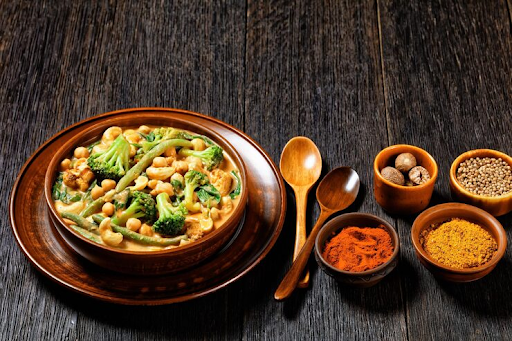
What is the magic in plant-based cuisine that makes it so gratifying? It is the science of aromatics. Vegetables and grains absorb the flavors of herbs, oils, and spices like a sponge. Where meat requires just salt and sear, vegetables require a blend of whole spices.
In culinary traditions like South Indian village cooking, flavor is built through technique:
- Tarka (Tempering):
Cooking oil or clarified butter with mustard seeds, cumin, curry leaves, and dried red chilies imparts a fat covering to everything.
- Slow Layering Cooking: It does not try to mask the flavors, but slow cooking of onions, tomatoes, ginger, and garlic results in natural sweetness by caramelizing them.
- Balancing of Flavors:
Vegetarian cooking needs to balance all five basic flavors that are sweet, sour (lemon/tamarind), salt, bitter (fenugreek/greens), pungent, and astringent.
When spices are roasted and bloomed properly, every bite carries warmth, comfort, and nuanced aroma without artificial additives or MSG
.
Building Real Satiety: Fiber, Lentils, and Fermentation
A common misconception is that a vegetarian meal will not keep you full. True satiety does not come purely from animal protein; it comes from a synergy of dietary fiber, complex carbohydrates, slow-burning plant protein, and healthy fats.
1. The Power of Legumes and Pulses
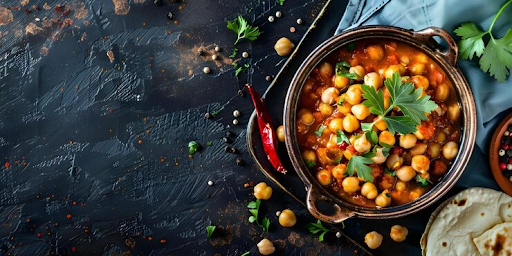
From yellow lentils (Toor Dal) and black gram (Urad Dal) to chickpeas, legumes constitute the main ingredients for making hearty vegetarian meals. They digest slowly, which keeps blood sugar levels stable and provides energy.
2. Traditional Fermentation
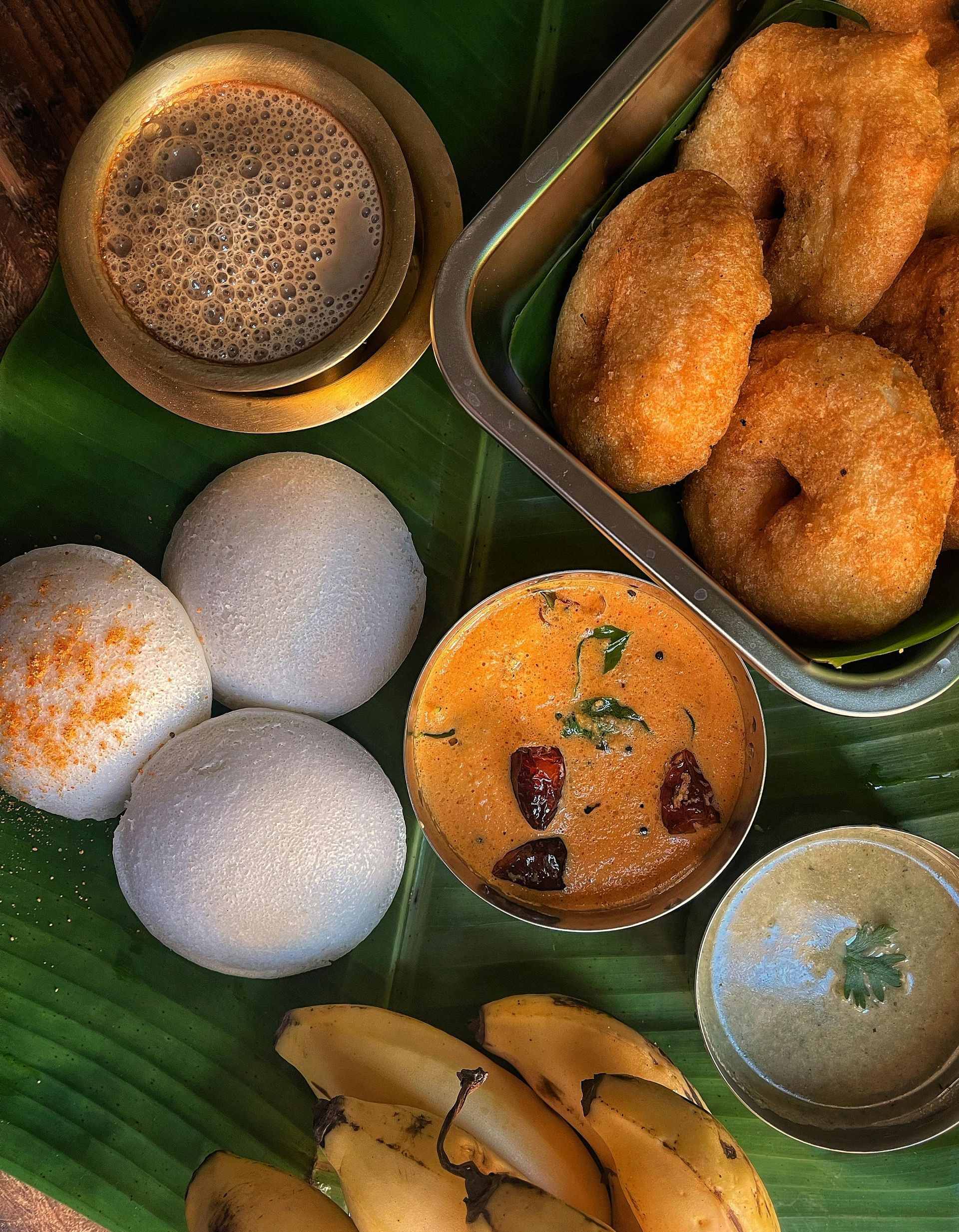
Fermented batters of rice and lentils used to make South Indian dishes such as idlis and dosas have health benefits due to fermentation, which helps break down starches, promotes the production of probiotics, facilitates nutrient absorption, and gives an umami taste profile.
3. Textural Diversity
A good meal engages with all your senses. Combining a soft, fluffy idli or veg uttapam with crunchy medu vada and coconut chutney is a good example of how your sense of taste gets fulfilled in its totality.
Wholesome Homestyle Cooking vs. Processed Alternatives
The modern supermarket shelves are filled with artificially engineered meat substitutes, but the best vegetarian meals appreciate the vegetable as it is. The home-cooked meals rely on whole foods: fresh vegetables, raw grains, shredded coconut, natural oils, and ground spices.
The old-school approach has shown that tasty food need not be engineered in laboratories. Cooking with natural foods means getting pure fuel, rather than that tired feeling one gets after eating out.

Ready to taste vegetarian food with real homestyle flavor?
Why Baltimore’s Vegetarian Scene Is Thriving
The quest for healthy, clean, and flavorful foods has completely changed the face of vegetarian cuisine in Baltimore. Everyone, whether foodies, students, or working parents in Charles Village and Mount Vernon, is searching for foods that not only meet their active lives but also match their high flavor expectations.
Thanks to the rise of takeout and community eateries, it’s now easier to have your healthy and nutritious meals even on the go. No matter if you’re looking for a quick lunch during the day or dinner after work, the local vegetarian options are only growing.

Craving bold spices, comforting flavors, and wholesome South Indian dishes?
Conclusion
Vegetarian cuisine is appreciated around the globe because of its abundance, variety, and vibrancy. If it is cooked using age-old traditions, organic vegetables, and spicy seasonings, vegetarian cuisine will nourish the body and satisfy the soul. Being the finest
Indian restaurant Maryland, which serves homely dishes,
Unavu presents the best of traditional Tamil village cuisines to you right at your table. Order now.
Frequently Asked Questions
What are some popular types of vegetarian cuisine?
The rich vegetarian food varieties available to the citizens of Baltimore include South Indian cuisine, Mediterranean cuisine, and Ethiopian cuisine. South Indian cuisine is rich in natural vegetarian foods such as lentil soup, steamed rice cakes, and crispy dosas. Mediterranean cuisine is known for the use of olive oil and fresh herbs.
Can vegetarian meals provide enough protein and nutrients?
Yes, a well-balanced vegetarian diet contains adequate amounts of protein, iron, and minerals. A mixture of lentils, beans, nuts, cereals, and seeds gives an optimum balance of amino acids. The inclusion of vegetables that contain iron in addition to those containing vitamin C, like tomatoes and fruits, provides energy throughout the day.
What are some flavorful vegetarian dishes to try?
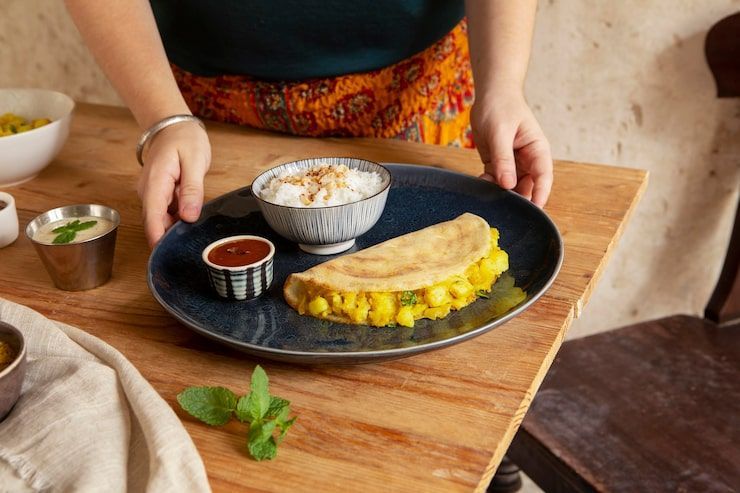
Some vegetarian dishes you may try include South Indian masala dosa that comes with sambar and coconut chutney, vegetable korma, chana masala (chickpea curry), and idlis. Utappam made from vegetables, onions and chilies also gives an authentic taste of home cooking with nutritious ingredients.
Why is natural fermentation so important in plant-based cooking?
The fermentation process releases the umami flavor along with the sour taste. The breakdown of the grains and beans through fermentation results in B vitamins, prebiotic benefits for the digestive system, and reduces the glycemic impact of the food.
How do traditional spices make vegetarian food more satisfying?
The function of spices is not just to give heat but to also cause secretion of digestive enzymes and increase the availability of nutrients. Spices that have aromas like turmeric, cumin, mustard seeds, and black pepper, combined with healthy fats, create a very intense taste experience that will definitely satiate your taste buds.
Author Bio
Dev, the founder of Unavu brings a lifelong connection to South Indian home cooking to Baltimore, inspired by traditional recipes passed down through generations. With hands-on restaurant experience across the East Coast, Midwest, and Europe, he built Unavu around authentic village-style food, quality ingredients, and the comfort of a home-cooked meal.