What Makes Indian Cuisine Different From Other Dining Experiences?
| Element | Processed / Pre-Packaged | Fresh & Artisanal |
|---|---|---|
| Vegetable Texture | Soft, watery, or overly dense | Crisp, tender, and naturally vibrant |
| Spice Profile | Flat, muted aroma | Aromatic, dynamic, and rich in essential oils |
| Nutritional Value | Depleted over time | Maximum vitamin and mineral retention |
| Preservatives | Often present for shelf life | 100% natural and additive-free |
If you've ever searched for an Indian restaurant in Towson, MD, you've probably noticed that Indian food isn't just another dinner option. It's a different way of eating altogether. The aromas reach you first, the flavors keep unfolding with every bite, and the whole meal feels more personal than a typical night out.
In this post, we'll look at what sets Indian cuisine apart: the way Indian spices are used, the huge range of Indian dishes, the thinking behind Indian cooking, and why vegetarian Indian food deserves the spotlight. We'll also share how Unavu brings home-style South Indian meals to Baltimore, a short drive from Towson.

It Starts With the Spices
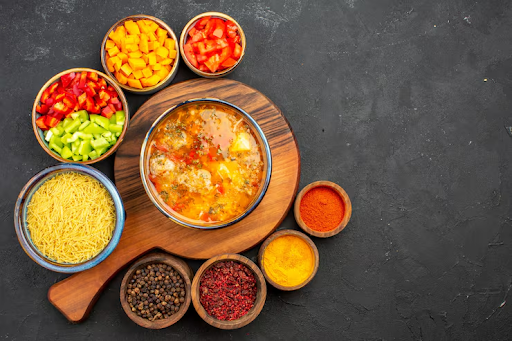
Open any Indian kitchen, and you'll find a tin of small bowls: mustard seeds, cumin, turmeric, coriander, curry leaves, dried red chilies. This is where the magic lives.
What makes Indian spices special isn't only how many there are. It's how they're used. Whole spices are tempered in hot oil to wake up their aroma. Others are roasted and ground fresh. Some go in at the start, some at the very end, and the same handful of ingredients can taste completely different depending on timing and technique.
Most cuisines season a dish to finish it. In Indian cooking, spices are built in from the first minute, which is why a good sambar tastes layered rather than just hot. And no, Indian food isn't always spicy. Plenty of dishes are mellow, tangy, nutty, or gently sweet.
So Many Kinds of Indian Dishes
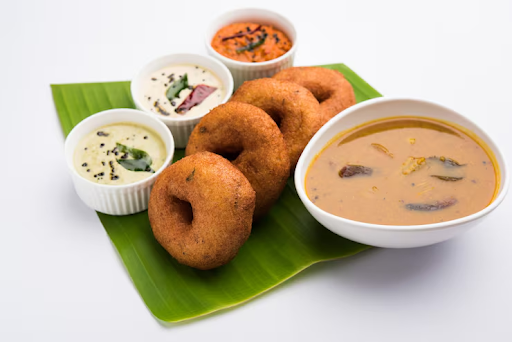
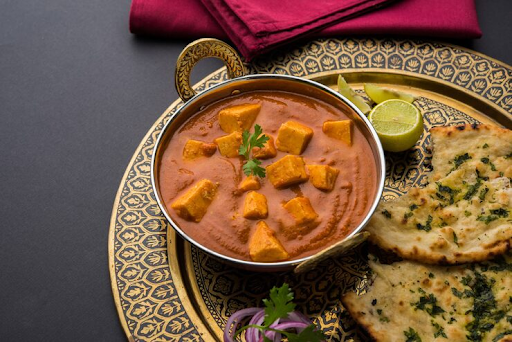
There's no single "Indian food." India is a huge country, and every region cooks differently. The north leans on creamy gravies and tandoor-baked breads. The south focuses on rice, lentils, coconut, tamarind, and fermented batters: crisp dosas, soft idlis with sambar, fragrant biriyani. The coast brings seafood and coconut, while other regions favor mustard oil, sweets or fiery chutneys.
That variety is why Indian cuisine feels so different from a standard restaurant menu. You're not just picking a protein. You're choosing a whole food tradition. Those diverse flavors are why people who fall for Indian food rarely get bored with it.
Craving authentic South Indian flavors tonight?
Vegetarian Indian Food Isn't an Afterthought
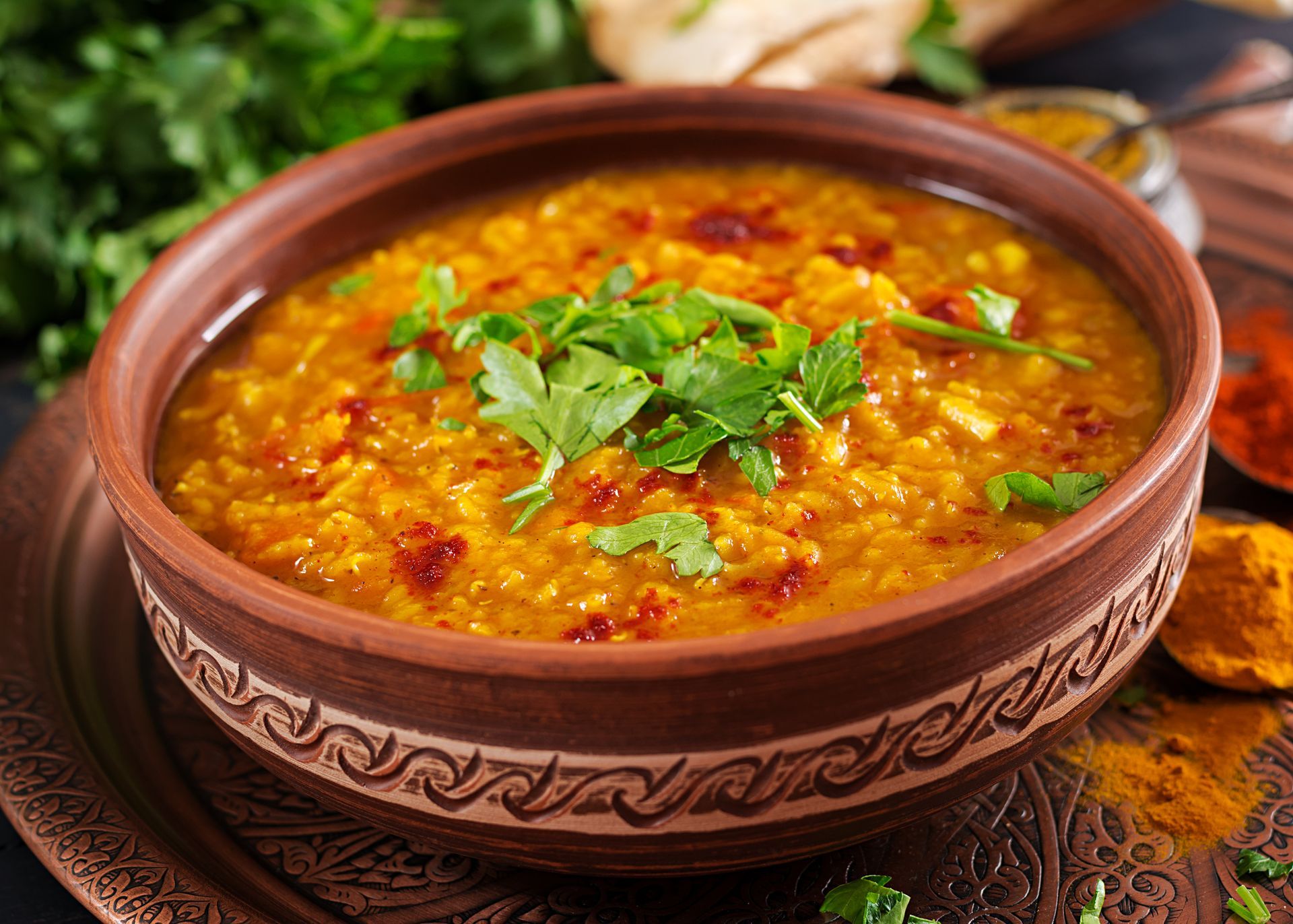
In many restaurants, the vegetarian option is one lonely pasta. India is where the soul of the cuisine lies. The lentils, chickpeas, vegetables, paneer, and cereals, enhanced with the use of spices, are fulfilling, full of protein, and truly invigorating. Dosa with the accompaniments like chutneys and sambar or simply dal with rice shows that there is no need for meat to feel content. This is what makes Indian food ideal for a table shared by vegans, vegetarians, and meat lovers alike.
Food Made for Sharing, Rooted in Home
Indian meals are rarely rigid. Dishes often arrive together, and you mix and match: a bit of rice here, a spoonful of chutney there, a torn piece of dosa dipped into sambar. It's hands-on, social and relaxed.
It's also deeply tied to home. Most recipes weren't invented in culinary schools. They were passed from grandmothers to mothers to their children and adjusted by taste and memory. That's the idea behind Unavu. Our recipes began with a few Tamil dishes from our founder's grandmother, and we cook without artificial taste enhancers, food colors, or preservatives, because real Indian cooking never needed them.

Skip the kitchen prep and let Unavu bring the comfort of real home cooking to your table
Fresh, Honest and Easy to Fit Into Your Week
Not everyone has hours to cook a proper Indian meal, and that's where we come in. Unavu is takeaway-first. You can order online, call in for scheduled pickup, or get delivery through the major apps within 5 to 10 miles of our Baltimore kitchen. We also offer weekly and monthly meal plans, small-event catering, and student-friendly pricing, because eating well shouldn't be a luxury.
So, What Really Makes It Different?
Layered spices, regional variety, respect for vegetarian cooking, and deep roots in family kitchens. That's what sets Indian cuisine apart. If you're hunting for the
best Indian restaurants in Baltimore, or you're in Towson craving food that tastes like a grandmother's kitchen, Unavu is worth a try. Order online today.
Frequently Asked Questions
What makes Indian cuisine different from other cuisines?
Indian cuisine thrives on layered spices, deep regional traditions, and deliberate cooking techniques. Spices are carefully tempered, dry-roasted, or freshly ground, then introduced at distinct stages of cooking. Introduce vegetarian ingredients, and every dish instantly takes on a unique personality of its own.
Is all Indian food spicy?
Spiced doesn’t necessarily mean spicy. Indian spices contribute a whole lot of flavor, taste, and warmth, but many dishes aren’t spicy at all- creamy, or even sweet. Heat is just one part of the dish. And if you don’t like a lot of spices, there’s always a milder alternative to order.
Does Unavu offer vegetarian and vegan food?
Yes. The menu at Unavu provides both vegetarian/vegan and non-vegetarian dishes, which are all South Indian and freshly prepared. Our food does not contain any artificial flavors, coloring, or preservatives. If there is something specific that you require, please feel free to get in touch with us for assistance.
Does Unavu deliver near Towson?
Delivery apps cover roughly a 5 to 10 mile radius from our Baltimore kitchen, so enter your address in the app to confirm. Outside that range, call us about on-site delivery for bulk orders, which requires advance payment.
Author Bio
Dev, the founder of Unavu brings a lifelong connection to South Indian home cooking to Baltimore, inspired by traditional recipes passed down through generations. With hands-on restaurant experience across the East Coast, Midwest, and Europe, he built Unavu around authentic village-style food, quality ingredients, and the comfort of a home-cooked meal.