What Can a Traditional Indian Dinner Look Like From Start to Finish?
| Element | Processed / Pre-Packaged | Fresh & Artisanal |
|---|---|---|
| Vegetable Texture | Soft, watery, or overly dense | Crisp, tender, and naturally vibrant |
| Spice Profile | Flat, muted aroma | Aromatic, dynamic, and rich in essential oils |
| Nutritional Value | Depleted over time | Maximum vitamin and mineral retention |
| Preservatives | Often present for shelf life | 100% natural and additive-free |
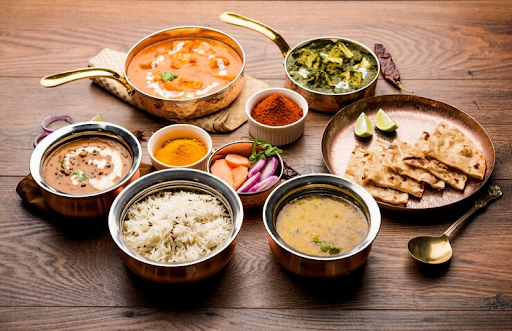
Indian dinners are meant to be shared. Nobody gets one plate with one entrée on it. A few dishes land in the middle of the table, and everyone takes a bit of this and a bit of that until the bread runs out.
If you're searching for an Indian restaurant in Maryland and you're not sure how to order, this guide walks you through a traditional dinner one course at a time.
At Unavu, we cook the way families do at home in South India, and our recipes began with a few Tamil dishes from our founder's grandmother, so some of what follows comes straight from that kitchen. Most of our customers pick up or get delivery, though, so think of this as a plan for a table at home as much as one in a restaurant.

The Flow of the Table
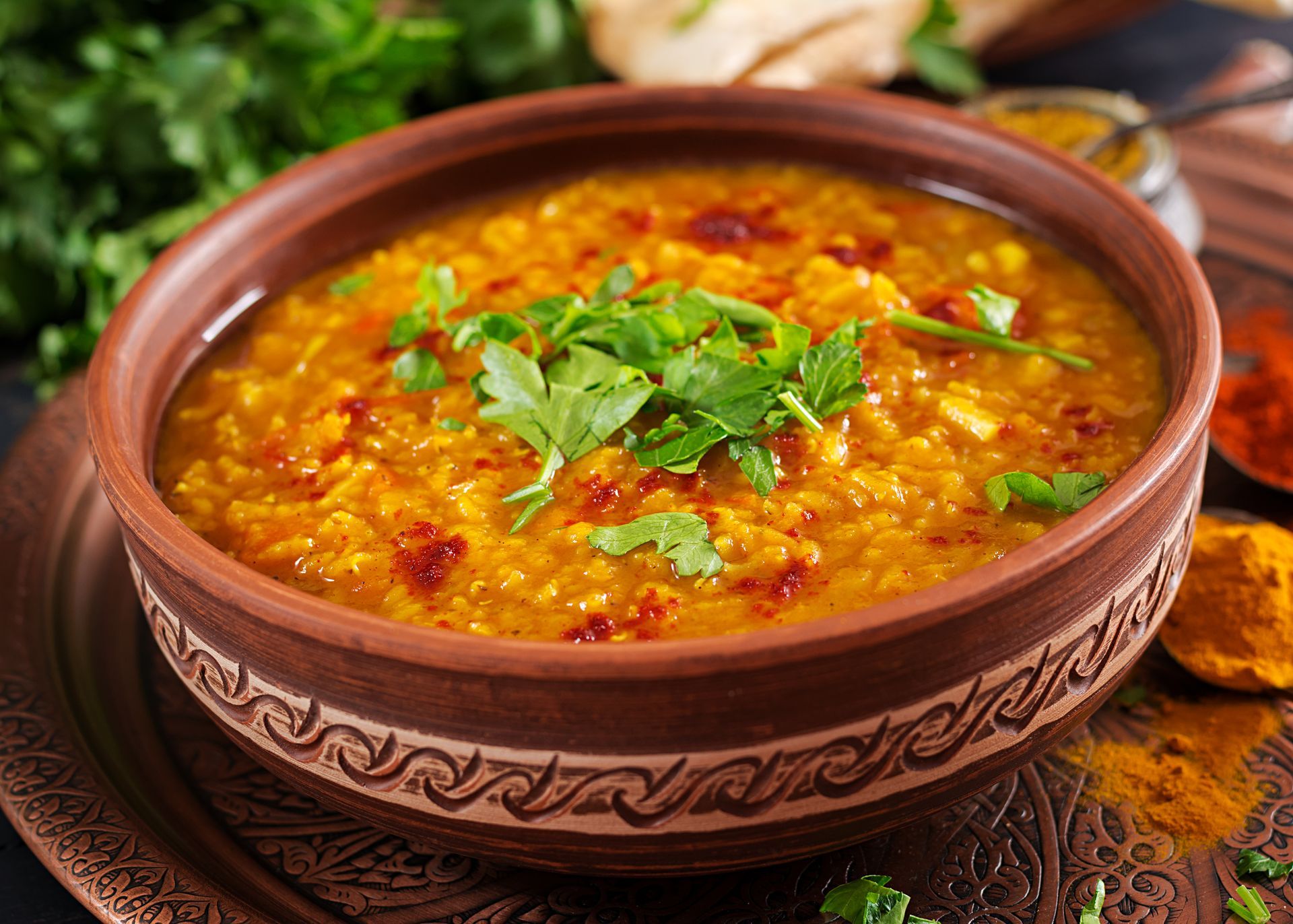
Forget the three-course rule. Starters come out first, sure, but after that the curries, breads and rice show up together, and the whole thing gets passed around. You might put some yellow dal on your plate, a spoonful of tomato gravy beside it and a dollop of cucumber raita, then tear off a piece of bread to scoop it all up. Every bite turns out a little different. And if one dish is properly hot, there's usually another on the table to calm it down.
Step 1: Crisp Starters and Fresh Dips
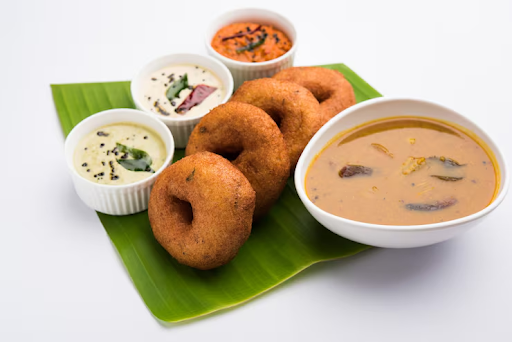
Start light. If you start your meal with something heavy like gravy, you'll be stuffed too soon. So, start with something crispy but sour to whet your appetite. The common starters are samosas, onion pakoras, and chaat; however, there is an extra addition to the list by South Indian restaurants: medu vada. Medu vada is a lentil donut that has a crispy outer layer and a soft inner part. These starters come with two types of chutney: a green one of mint and coriander, and a sweet one of tamarind.
Step 2: The Core Mains
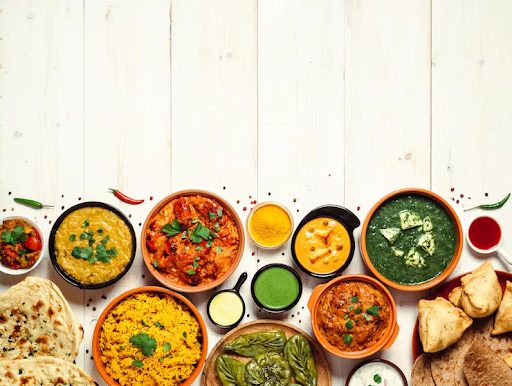
This is where people tend to order too much. If you order three curries which will taste alike, you will not be able to make your table taste better; hence, it is advisable to select dishes which contrast each other. The best example can be lentils to give comfort food, gravies such as tomato or creamy, and some vegetables so that you do not feel heavy. One option can be dal tadka, butter chicken or paneer, and plain potato and cauliflower.

Skip the cooking tonight. Enjoy fresh, daily-made South Indian meals.
Step 3: Breads, Rice and Necessary Sides
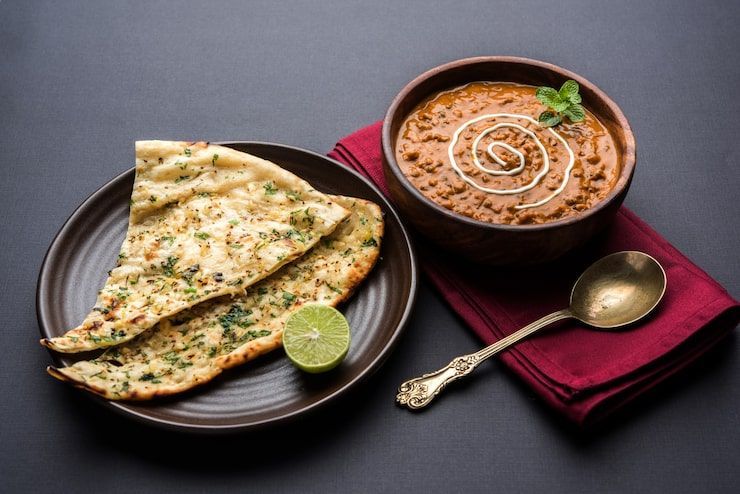
Curry dishes and dried vegetables pair well with naan and roti, whereas thinner dal and curries are accompanied by plain basmati. In South India, that function is filled by dosa and idli served alongside sambar. Side dishes are not optional accompaniments. They are essential for having the rest of the meal. The addition of coconut chutney or a small amount of pickle is more important than one would expect.
Step 4: The Sweet Finish
Desserts tend to be light in nature. Gulab jamun, the sweet milk doughnuts that soak in a sugar solution, are typically the preferred choice, followed by kheer, a slow-cooked milk-based dessert with a cardamom aroma. The similar payasam is the Southern Indian name for this rice pudding, made with milk and vermicelli, which features in all celebrations and family get-togethers. Fennel seeds, which are cooked in sugar and served as sweets, are offered alongside the bill to cleanse your mouth.
Craving authentic South Indian food?

Practical Ordering Advice for Your First Visit
If it’s your first time, then order to share. One appetizer and two to three main dishes along with a bowl of rice and two baskets of bread is enough for three people, and even then, there should be some leftovers for the lunch of the next day.
Make sure to tell the person taking your order how spicy you want your food, because in Indian cuisine, it’s the combination of spices that creates taste, and not just chilies, and any decent kitchen can prepare a dish as mild, medium, or spicy without any problems at all. And finally, don’t forget to combine your tastes.
Try Unavu for Your Next Meal
There's no right or wrong way to eat Indian food, but a slow, shared meal does tend to taste better. If you're after a good Indian restaurant in Maryland,
Unavu is worth a look. Everything is cooked fresh in the home-style South Indian tradition, without artificial taste enhancers, food colours or preservatives. You can browse the menu online, then order for pickup or delivery whenever you're hungry.
Frequently Asked Questions
What should I order first if I've never had Indian food?
Samosas or garlic chicken kebabs are an easy entry into the cuisine. They will introduce you to the flavors of the spices without overwhelming any other dish. You can still go for a mild curry, such as butter chicken or korma. In case the menu is South Indian, consider ordering a plain dosa with sambar.
How do I choose between rice and naan?
But almost all tables need both. Bread goes well with thick gravies and meats that have been barbecued or dried vegetables, while rice works well with thin dal and thin stews. In a party setting, one basket of bread and one plate of rice per three people should suffice.
Is everything on the menu spicy?
No, because traditional cooking uses far more coriander, turmeric, ginger, and cumin in the recipes than cayenne, so there are many dishes that are not spicy at all. It is always possible to ask the chef to make the sauce milder, and to serve a portion of raita or yogurt to cool your mouth if needed.
Author Bio
Dev, the founder of Unavu brings a lifelong connection to South Indian home cooking to Baltimore, inspired by traditional recipes passed down through generations. With hands-on restaurant experience across the East Coast, Midwest, and Europe, he built Unavu around authentic village-style food, quality ingredients, and the comfort of a home-cooked meal.