


How India’s Regional Cuisines Create an Incredible Variety of Flavors
| Element | Processed / Pre-Packaged | Fresh & Artisanal |
|---|---|---|
| Vegetable Texture | Soft, watery, or overly dense | Crisp, tender, and naturally vibrant |
| Spice Profile | Flat, muted aroma | Aromatic, dynamic, and rich in essential oils |
| Nutritional Value | Depleted over time | Maximum vitamin and mineral retention |
| Preservatives | Often present for shelf life | 100% natural and additive-free |
You can’t treat Indian food as one single thing. In India, there are many small styles of cooking. They shift from place to place. Change comes from the earth, climate, agriculture, and the long-held traditions of the family table. In the northern regions, the food is not the same in the frigid mountains as it is in the tropics along the coast in the south.
At Unavu, we celebrate these deep culinary roots by sharing authentic, homestyle South Indian traditions prepared with time-tested care. Our kitchen focuses on village-style methods, using fresh cuts of produce and traditional spice tempering without artificial colors or MSG.
In this comprehensive guide, we explore how diverse landscapes shape regional Indian cuisine flavors, unravel the distinct cooking philosophies across the country, and explain why food lovers searching for an authentic Indian restaurant Towson, MD, can count on falling in love with regional variety.
Geography and Climate: The Architects of Regional Flavor
The dramatic variety across Indian cooking starts with local weather and soil conditions. What grows abundantly in a region defines the daily meals of its people:
On the northern plains, winter is harsh. People still grow whole wheat and mustard greens, and they keep dairy cattle. Most days start with tandoor-baked flatbreads. Butter is used a lot, and fresh paneer shows up often. Stews and thick gravies cook for a long time, so meals feel warm and keep you going.
In the humid south, tropical heat dictates a completely different rhythm. Paddy fields yield endless harvests of rice, while coastal shores provide fresh coconuts and souring tamarind pods. Cooking here avoids heavy creams. Instead, cooks rely on light, fermented batters, pressed sesame or coconut oils, and tangy broths that aid digestion and keep the body cool throughout intense summers.
Exploring the Spectrum: Different Types of Indian Cuisine
Understanding the different types of Indian cuisine reveals just how wide the country's flavor spectrum truly is. Each quadrant of the subcontinent approaches seasonings, textures, and staple starches from a unique perspective.
The Aromatic Depths of North India
North Indian food is famous for its bold smells and deep, thick tastes. Black cardamom, cloves, cinnamon bark, and mace bring the main flavor. The gravies cook slowly. Onions and tomatoes go in first. Then came ginger paste and cashew nut paste. A small pat of fresh butter is added at the end.
The Coastal and Fermented Brilliance of South India
South Indian Food is known for bold flavor and pungent aroma. Most homemakers begin the cooking process with tadka. Oil is heated, and black mustard seeds, split urad dal, dried red chilies, and green curry leaves are added. The seasoning process takes place for a brief period.
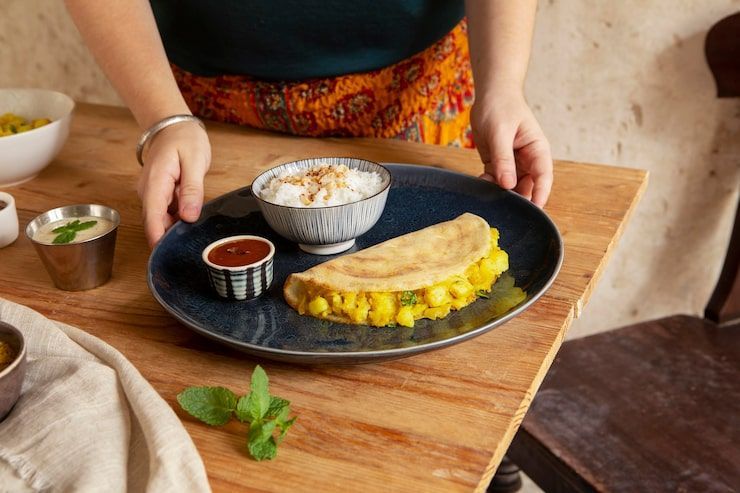
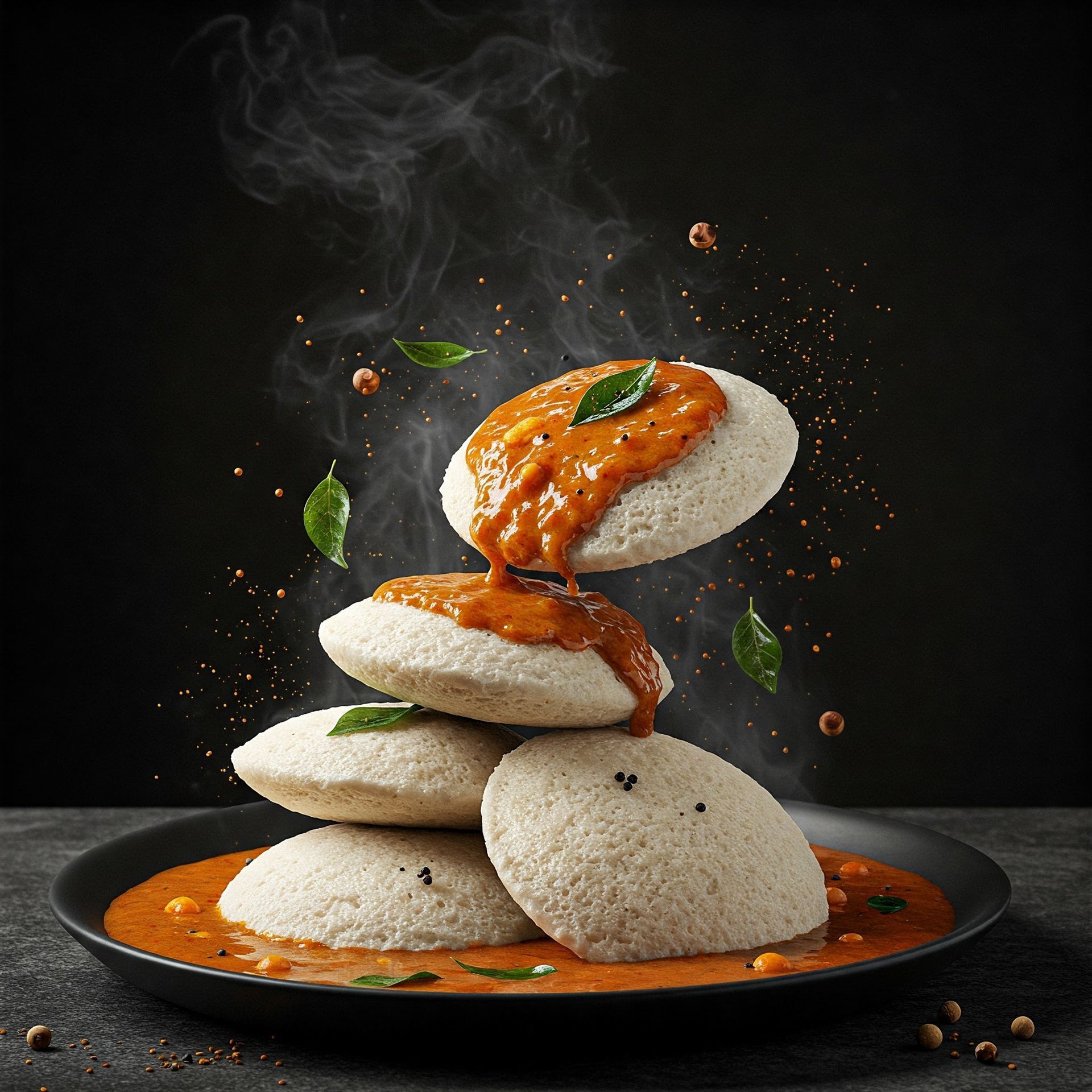
Fermentation also matters here. Rice batter is left to ferment overnight. After that, it turns into dishes such as masala dosa, idli, and uthappam.
The Tangy Sweetness of the West and Mustard Punch of the East
Indian food traditions also showcase striking contrasts in flavour. In the western styles, vegetarian dishes often balance a gentle sweetness using jaggery or similar ingredients with tomatoes, ginger, and warming spices, creating a comforting yet vibrant taste. Coastal influences add a mix of heat and sourness, where red chillies meet tangy elements like kokum, often paired with fresh seafood.
Eastern‑style Indian food, on the other hand, is known for its love of river fish, leafy greens, and short‑grain rice. A signature flavour here comes from
panch phoron: a tempering blend of cumin, mustard, fenugreek, nigella, and fennel seeds fried in pungent mustard oil giving dishes their bold aroma and unmistakable punch.
Experience authentic flavors beyond the buffet.
Regional Biryanis: A Masterclass in Grain and Technique
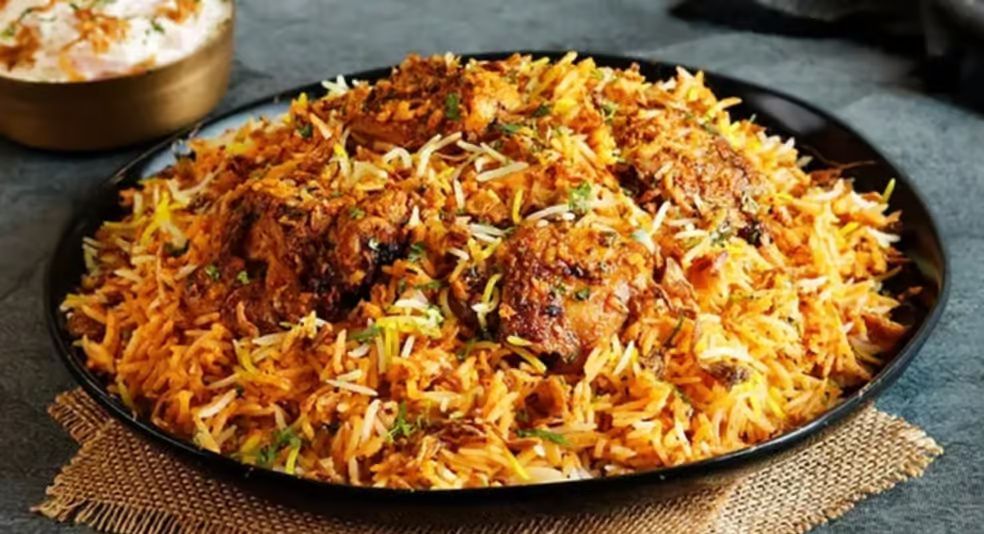
Nowhere is regional nuance more obvious than in India’s beloved rice specialty: biryani. While many assume biryani is spiced fried rice, it is actually an intricate layered dish with deeply proud regional variations.
- Hyderabadi Dum Biryani: Preparing it requires long-grained Basmati rice, marinated chicken or lamb, saffron-milk and fried onion, and slowly cooking it in a closed handi under steam (dum).
- Tamil Nadu Thalapakattu Biryani: Prepared with Seeraga Samba rice (mini), soft goat meat, crushed green chillies, and ghee. The small grains will hold on to meat broths much better than long-grained grains, providing a rich earthiness to the meat.
- Ambur Birani: This is made with curd, spices, and sun dried chilly paste and not the spicy garam masala of Arcot.
Each style honors the exact balance of spices, grains, and meats native to its birthplace, turning a single dish into completely diverse dining experiences.
Discover biryanis crafted with tradition and care.
The Natural Focus on Health, Fermentation, and Plant Nutrition
Long before modern nutritional trends emerged, Indian regional kitchens practiced wholesome, gut-friendly cooking based on ancient Ayurvedic principles. Every regional dish balances heating and cooling qualities:
- Natural Probiotics:
Fermentation of rice and lentil batter to make dosas and idlis destroys phytic acid, thereby increasing the availability of essential minerals, along with nurturing gut bacteria.
- Anti-Inflammatory Roots:
Freshly ground turmeric, ginger roots, and black pepper are common in both southern and northern gravies, serving as natural anti-inflammatory agents for cells.
- Plant Protein: Protein-rich pulses such as yellow moong dal and chickpeas are the primary source of protein in everyday regional meals, seasoned with cumin and asafoetida to ensure proper digestion.
When cooked traditionally without artificial additives, regional Indian food is among the most nutrient-dense, balanced culinary systems in the world.
Savor Authentic Regional Flavors with Unavu
If you're seeking top
Indian restaurants Baltimore, MD for the finest Indian food, then
Unavu is the one that offers you the purest experience of South Indian Cuisine. We offer you some of the most delicious treats, including crispy ghee podi dosas and idlis, authentic Thalapakattu goat biryani, and Chettinad curries made from authentic recipes with natural ingredients only, and we have no MSG or any artificial colorings used here at Unavu. Place your order now.
Frequently Asked Questions
What spices are commonly used in different Indian dishes?
Indian dishes use a wide variety of spices, each adding its own depth and aroma. In hearty gravies and breads, you’ll often find cumin, cloves, black cardamom, and cinnamon for warmth and richness. Lighter, tangier dishes lean on black mustard seeds, curry leaves, fenugreek, and black pepper to create sharp, fragrant notes. Together, these spices shape the bold flavours that make Indian food so distinctive.
What are some popular regional Indian dishes?
There are some famous regional cuisines, which include North Indian butter chicken, South Indian masala dosas, and East Indian fish dishes with mustard spices. There are even some famous Western Indian dishes like pav bhaji and coconut-tamarind curries. Some famous rice dishes include biryani from Hyderabad and Thalapakattu.
Why is South Indian food considered so gut-friendly?
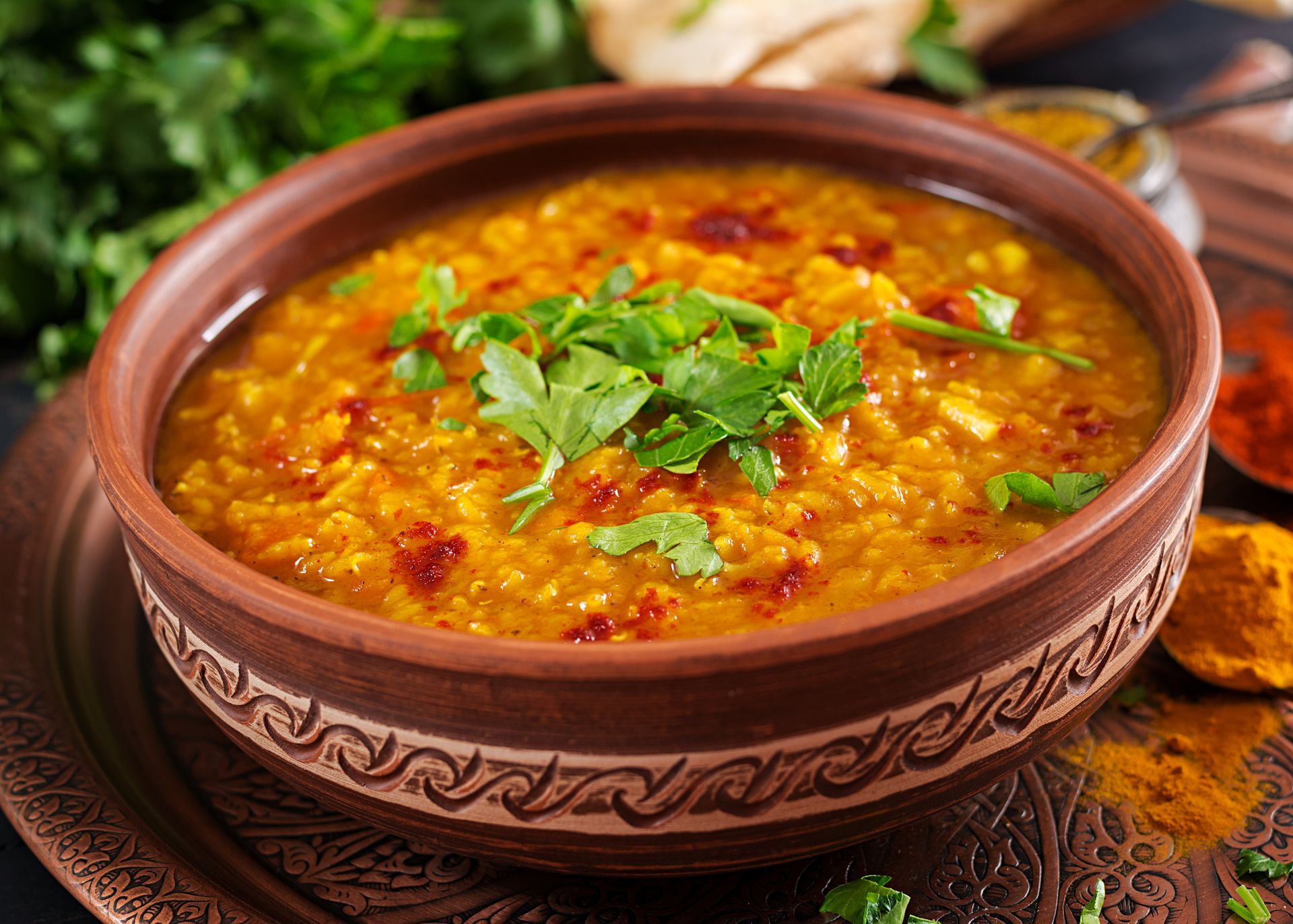
South Indian cooking includes natural fermentation of rice and lentils overnight to cook a variety of meals such as idlis and dosas, which are probiotic foods. The food is made with digestive spices, such as asafoetida, cumin, and ginger, and without the use of creams; the result is gluten-free, easy-to-digest food.
What makes biryani recipes taste different across various regions?
The variety of rice used in biryanis, as well as the method of seasoning the meats with spices, distinguishes biryanis from each other. Northern biryanis use the Basmati variety of long-grain rice and saffron, while southern Indian biryanis use short grain rice seeraga samba and its aroma of saffron.
How can I find authentic regional Indian food near Towson, MD?
Seek out kitchens which are specialized in regional dishes rather than having buffet-style dining facilities. The best places that serve real Indian cuisine would be places that offer dishes that are prepared at home, using fresh regional produce and without artificial colors and MSG.
Author Bio
Dev, the founder of Unavu brings a lifelong connection to South Indian home cooking to Baltimore, inspired by traditional recipes passed down through generations. With hands-on restaurant experience across the East Coast, Midwest, and Europe, he built Unavu around authentic village-style food, quality ingredients, and the comfort of a home-cooked meal.