

What Makes Indian Cuisine So Popular Among Food Lovers?
| Element | Processed / Pre-Packaged | Fresh & Artisanal |
|---|---|---|
| Vegetable Texture | Soft, watery, or overly dense | Crisp, tender, and naturally vibrant |
| Spice Profile | Flat, muted aroma | Aromatic, dynamic, and rich in essential oils |
| Nutritional Value | Depleted over time | Maximum vitamin and mineral retention |
| Preservatives | Often present for shelf life | 100% natural and additive-free |
Walk past an Indian kitchen, and you immediately find yourself waking up all your senses. It is the sound of sizzling black mustard seeds that pop into the heated oil, the smell of roasted cumin, and the steam rising from a pot of boiling lentils. Food enthusiasts from around the world have long moved from thinking about this cuisine as some takeout phenomenon. They see it as something that has been passed down for many years and is full of comfort.
At Unavu, we witness this passion every day. Located near Johns Hopkins University in Baltimore, our kitchen serves authentic South Indian food prepared just like our grandmothers did in Tamil Nadu. Every dish is free from preservatives, MSG, and artificial colours, making Unavu a trusted spot for wholesome Indian food in Baltimore.
In this guide, we explore why this heritage cuisine is so loved. We highlight the health benefits of Indian spices, explain how flavours are layered using whole ingredients, and share why people in Baltimore keep returning for true Indian meals again and again.
The Art of Layering: Complexity Beyond Simple Heat
One of the common myths for those who do not know a lot about cooking Indian cuisine is that cooking Indian food involves nothing more than lighting up the chilli. But to the experienced cooks, the real mark of being great does not involve adding a lot of heat to your dish. The real thing is cooking using different flavors together.
Rather than dumping pre-ground powders into a boiling pot, traditional cooks build each recipe in distinct stages:
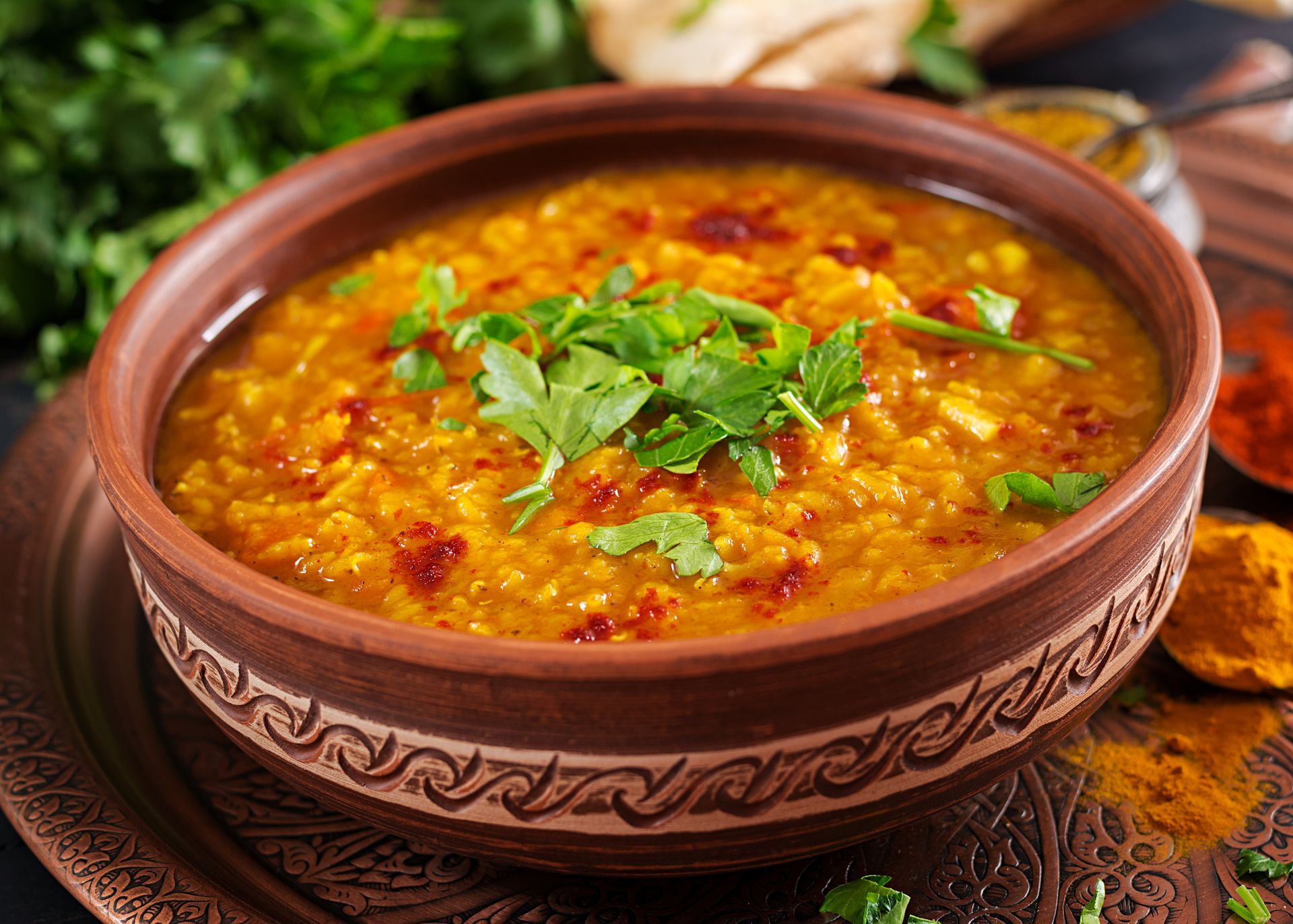
It’s an age-old method, called ‘tadka’ or tempering, where whole spices are deep-fried at the beginning or end of the dish, using ghee or cold-pressed oils. This frying process bursts the shells of the spices, thus allowing the essences to seep into the oil. When you take a bite out of a vegetable curry or dal that’s been simmering for a long time, the flavors of the roasted coriander come through first, followed by the cinnamon, then the sourness of tamarind and finally the subtle flavor of ground turmeric.
Benefits of Indian Cuisine and Spices
Prior to the advent of wellness on social media sites, Indian meals were created along with Ayurveda, an ancient science that views meals as preventive medicine. The meals were created in a way to help digest food well, prevent inflammation during the seasons, and also sustain energy throughout the day at work.
Consider the staple seasonings present in almost every traditional pantry:
- Turmeric (Haldi): Extremely high in curcumin, a strong chemical that helps in increasing joint mobility and reducing inflammation at cellular levels. Turmeric is extremely helpful when consumed along with fats and crushed black pepper.
- Cumin (Jeera): Extremely helpful in producing digestive enzymes and preventing bloating after consuming heavy and fiber-rich foods.
- Ginger & Garlic: An essential mixture to promote good gut bacteria, enhance circulation, and respiratory immunity against the cold environment.
- Asafoetida (Hing): A foul-smelling compound derived from the resin of the ferula plant that helps in breaking down hard-to-digest oligosaccharides of dals.
- Fenugreek (Methi): Bitter seeds that help to stabilize the blood glucose level.
When mixed in with fiber-packed split peas, protein-filled chickpeas, fresh greens, and cold-pressed coconut or sesame oil, they offer a lot more than just great aroma. They make your common family meals into nutritional fuel.
Taste the richness of turmeric, cumin, and ginger in every dish.
Regional Diversity: The Contrast Between North and South
The term “Indian cuisine” to describe the food of a subcontinent consisting of over a billion people is similar to grouping all the cuisines of Europe under one single umbrella. The reason why no traveler or foodie ever gets bored with the cuisine is the sheer fact that each state, each district, and each village has a different larder from where their cooking starts.
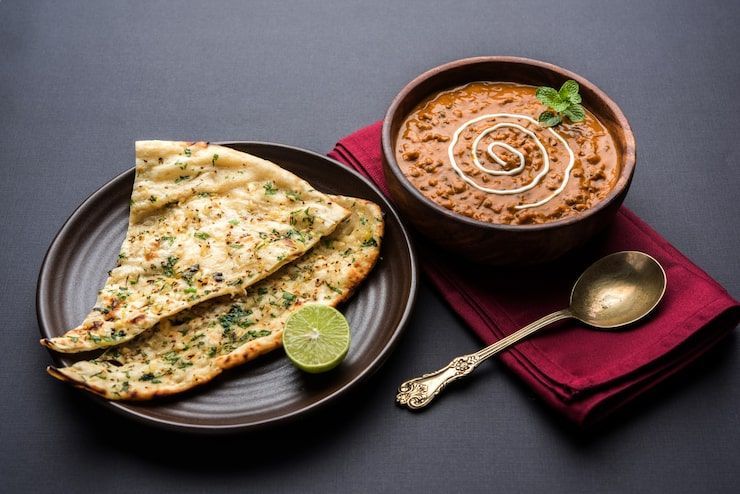
While the northern Indian tradition favors tandoor-baked clay breads such as naan and roti, creamy curries that feature cashew paste and dairy, as well as slow-cooked meat dishes due to history’s royal courts.
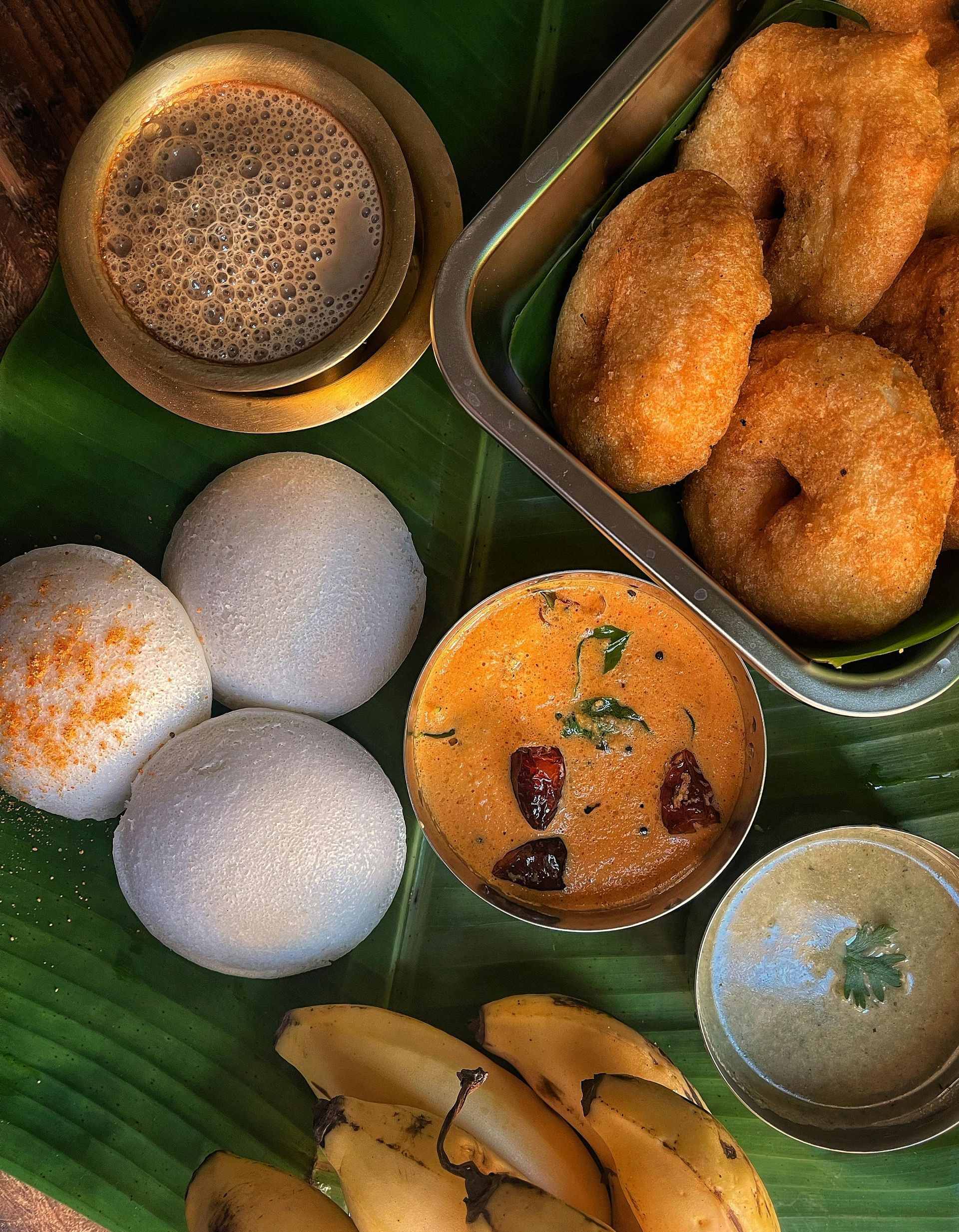
However, travel south, and suddenly the food scene changes entirely. The cuisine of South India, specifically the coastal regions and villages, consists mainly of steamed rice, fermenting dal batter, raw coconut, tamarind and curry leaves. The dishes that come out of this are dosas, idlis and rasam, which are light and energetic in nature.
As South Indian foods are based mostly on fermented rice and lentils, they are naturally gluten-free and gentle on the stomach. This vastness ensures that there is no way one would not find an Indian dish to try each time.
Enjoy preservative‑free dosas, idlis, and biryanis made fresh daily.
The Comfort of Homestyle Traditions Over Industrial Fast Food
In an era crowded with chain drive-thrus and microwaved meal prep, people crave authenticity. They miss food that feels like it was cooked with patience, care, and family pride.
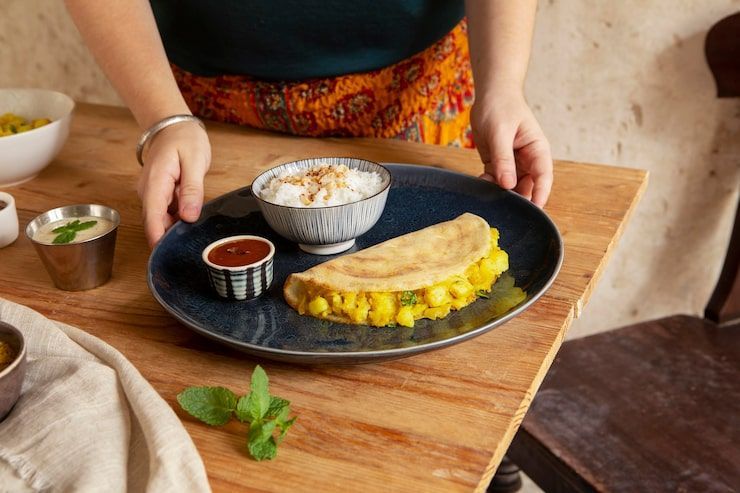
Homestyle South Indian food respects this human factor. This type of food uses the recipes written in aged family diaries passed on from mothers and grandmothers to their sons and daughters. By eating hand-made masala dosa and dum biryani, which have been made without using any artificial flavors and colors, people experience the time and sincerity put in by the chef. This sincerity in preparation is why casual first-timers end up being fans for life.
Experience True South Indian Heritage at Unavu
What makes this cuisine so timeless is its sincere relationship with home, life, and family tradition. The sounds of the crisp curry leaves and the vivid yellow color of the turmeric gravies bring us joy while caring for our bodies.
When searching for some good
Baltimore Indian restaurants for your next visit, try
Unavu and experience the difference that history and fresh ingredients can make for you. Our chefs take pride in preparing authentic village recipes without any MSG, artificial coloring, or preservatives. Place your order for crispy masala dosas, delicious idlis, and fragrant biryanis now and experience South Indian comfort food.
Frequently Asked Questions
Why are Indian spices important in Indian cooking?
Indian spices are those that give taste, fragrance, and also health. The spices are cooked in hot oil to extract their oils, giving tastes like cumin, turmeric, cardamom, and others. Apart from providing taste, spices are known to help with digestion and also food preservation.
Is Indian food always spicy?
It is not always necessary to eat very spicy Indian food. While the various cuisines in various countries of the world use the same spices to create food items, the main thing is that there is a vast number of spices used in Indian cuisines like cinnamon, coriander, cardamom, etc.
What are the main benefits of a South Indian diet?
The traditional meal in the South Indian diet has natural characteristics: nutritional, fiber-rich, and plant-based. Examples of dishes are the idli and dosa that use a fermented natural rice and lentil batter, which helps create healthy bacteria in the intestines. To provide energy naturally, items such as coconut, lentils, and antioxidants are included.
Are there good gluten-free options within Indian dining?
Yes, there are a number of items that do not contain gluten in Indian cuisine. Dosas, idlis, and uthappams that form part of South Indian favorite foods are all made using rice flour and black lentils. Most dals and vegetable curries have no wheat in them, thus providing numerous tasty dishes for people with sensitivity to gluten.
How does authentic Indian homestyle cooking differ from Western fast food?
Homemade Indian cooking has no artificial flavors, preservatives, or coloring. For Indian cooking at home, natural ingredients and slow cooking spices are used to achieve the best flavor. Indian food is a great source of protein, carbohydrates, and healthy spices; all of these are beneficial for digestion.
Author Bio
Dev, the founder of Unavu brings a lifelong connection to South Indian home cooking to Baltimore, inspired by traditional recipes passed down through generations. With hands-on restaurant experience across the East Coast, Midwest, and Europe, he built Unavu around authentic village-style food, quality ingredients, and the comfort of a home-cooked meal.