


What Makes a Traditional South Indian Meal So Special?
| Element | Processed / Pre-Packaged | Fresh & Artisanal |
|---|---|---|
| Vegetable Texture | Soft, watery, or overly dense | Crisp, tender, and naturally vibrant |
| Spice Profile | Flat, muted aroma | Aromatic, dynamic, and rich in essential oils |
| Nutritional Value | Depleted over time | Maximum vitamin and mineral retention |
| Preservatives | Often present for shelf life | 100% natural and additive-free |
If you’re trying to find something actually distinctive, like delicious Indian food Baltimore food lovers can enjoy, you often end up in the vibrant and cozy world of South Indian culinary heritage. A proper South Indian meal is not merely a fast stack of entrees; it feels more like a careful, almost century-old way of thinking, where flavors get balanced, natural fermentation is used, and fresh, nourishing ingredients are always the stars.
At Unavu, we explore what gives this culinary style its unique identity. Here, we explore the different spice profiles, the time-honoured cooking techniques, and the essential staples like idlis and dosas, plus the cultural philosophy behind every plate. You will discover how regional recipes, zero artificial additives, and more plant-forward preparations turn a simple plate into an unforgettable feast.
1. The Power of Fermentation: Light, Gut-Friendly Staples
Right in the middle of the South Indian kitchen, there is this extraordinary kind of know-how about fermentation. And honestly, two of the region’s more loved creations, idli and dosa, depend on something like a time-tested batter made with soaked rice and split black gram, also called urad dal.
Naturally Probiotic: The batter is ground and left to ferment naturally overnight, yielding live beneficial cultures that aid digestion without requiring chemical leavening agents.
Soft, Steamed Idlis: When the batter is steamed in those old-fashioned, round moulds, it lifts into feather-light, pillowy patties that are naturally gluten-free, low in fat, and easy on the stomach too.
Crispy, Golden Dosas: When you spread it thin across a well-used hot cast iron skillet (tawa), that fermented base suddenly turns into a crisp, golden crepe, and it wraps itself around spiced potato masala, or it goes just as smooth with gravies.
This approach turns simple grains and legumes into wholesome, energizing fuel that leaves you feeling satisfied and light.
2. Aromatic Spices and the Magic of Tempering (Tadka)
Unlike rich northern gravies that often lean heavily on thick cream, cashew pastes, and dried fenugreek, South Indian cuisine does its own thing, with bright and lively spice blends.
The heart of this whole flavour profile is tadka (also called thalippu, or tempering if you wanna keep it simple). Chefs toss black mustard seeds, fresh curry leaves, dried red chillies, asafoetida (hing), and cumin into hot oil or ghee. The mustard seeds crackle then pop, releasing essential oils almost instantly, so the whole dish gets this deep aroma, and a stubborn character you can’t really ignore
Then you get the regular habit of using freshly grated coconut, black peppercorns, crushed coriander seeds, and tangy tamarind paste- this way the curries feel layered, the chutneys come out cooling, and the broths stay piping hot like rasam and sambar.
Experience authentic South Indian flavours today.
3. The Balanced Harmony of the Traditional Thali
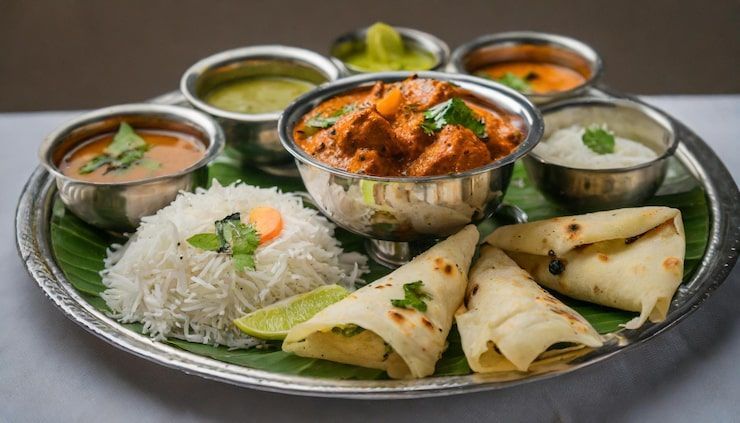
A classic traditional South Indian meal—often served on a fresh green banana leaf or a segmented thali plate is designed to incorporate all six fundamental tastes (shadruchulu or
arusuvai): sweet, sour, salty, bitter, pungent, and astringent.
| Taste Element | Typical Dish Representation | Culinary Purpose |
|---|---|---|
| Sour / Tangy | Tamarind Sambar, Rasam, Kara Kozhambu | Stimulates palate and jump-starts digestion |
| Pungent / Spiced | Pepper Chicken, Chettinad Curries, Podi | Warms the body and enhances metabolism |
| Salty & Savory | Crisp Medu Vada, Paruppu Vada | Satisfies core cravings and adds crunch |
| Bitter & Astringent | Lentil-rich Dhal, Turmeric-infused Veg Kurma | Balances richness and cleanses the palate |
| Cooling & Sweet | Coconut Chutney, Curd Rice, Payasam / Jamun | Soothes the stomach and completes the meal |
This intentional balance ensures that every plate is nutritionally comprehensive, fiber-rich, and deeply soothing.
4. Pure Homestyle Roots: Generational Recipes and Clean Ingredients
What truly sets genuine authentic South Indian food apart from mass-produced fare is its reliance on homestyle cooking methods passed down across generations.
Authentic kitchens prioritize:
- Zero Artificial Additives: Meals are prepared without artificial food colourings, chemical thickeners, or MSG, so the raw spices and natural produce can really shine.
- Fresh Ground Masalas: Spices are dry-roasted and stone-ground fresh daily to preserve those delicate volatile oils plus potent aromas, that kind of thing.
- Nutrient-Dense Vegetarian & Halal Meat Options: From protein-packed lentil broths and vegetable kurmas to tender Chettinad mutton and Thalapakattu goat biryanis, the menu caters effortlessly to plant-based eaters and meat lovers alike.
Bring home the comfort of idlis, dosas, and sambar.
5. From Morning Tiffin to Hearty Dinners: The Variety of South Indian Dishes
The variety of South Indian dishes extends far beyond single curries. The culinary tradition divides naturally into quick, restorative "tiffin" items and hearty rice meals:
- Crispy & Savoury Tiffins: From thick, fluffy
Uthappams topped with onions and ghee podi to flaky, shredded
Kothu Parottas tossed on hot griddles, these comfort dishes deliver unmatched texture.
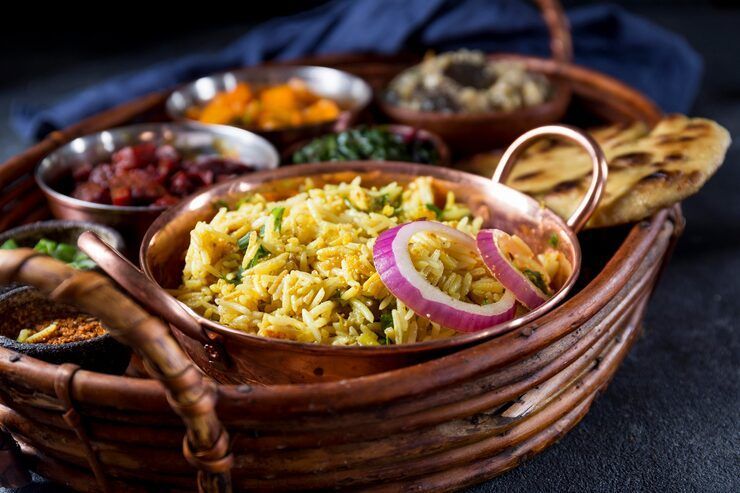
- Slow-Cooked Biryanis: Fragrant basmati or seeraga samba rice cooked with whole spices, caramelized onions, and slow-simmered meats.
- Heritage Curries: Earthy Kaara Kozhambu (spicy tamarind curry), comforting Moor Kozhambu (yogurt curry), and coconut-simmered Veg Kurma paired with warm rice or flatbreads.
Experience Authentic South Indian Flavours Today
A traditional South Indian meal shows that perfect intersection of nutrition wisdom, generational warmth, and complicated cooking art. Every bite, from the crunch of a just-made dosa to that warm comfort you get from tamarind-rich sambar, tells a story of heritage and care too.
Whether you’re craving real dosa, idli, or those thick homestyle curries, tasting authentic Indian cuisine feels like you’re tapping into honest, additive‑free cooking, made with real heart. For a dinner you’ll remember, or catering and takeaway needs,
Unavu brings the true coziness of South Indian hospitality right to your table in Baltimore, MD. Explore our menu today and experience the authentic taste of South India with Unavu.
Frequently Asked Questions
What makes a traditional South Indian meal unique?
A traditional South Indian meal stands out for its use of natural fermentation and aromatic tempering with fresh curry leaves and mustard seeds too. There’s also a tangy tamarind plus coconut base that brings everything together, in a way that feels easy on the palate, not too heavy. If you’re exploring Indian food in Baltimore, locals seem to love how these balanced flavors work as a lighter, gut-friendly alternative to the heavier, cream-based curries.
What are the most popular South Indian dishes?
The most iconic South Indian things include steamed idlis, crispy masala dosas, savoury medu vadas, spicy lentil sambar, and pepper-infused rasam. People also often go for slow-simmered Chettinad curries, layered kothu parottas, and fragrant dum biryanis, served with cool coconut chutneys and raita. Overall, it feels like a whole parade of warm comfort foods; every bite tastes different but connected.
Is South Indian food generally vegetarian?
Yes, South Indian cuisine is mostly plant-forward, like lentils and rice, plus seasonal vegetables, and some coconut stuff too. But also, some regional coastal and inland traditions- Chettinad, Malabar, and Andhra cooking, they bring in non-vegetarian specialties that are really celebrated. Stuff like spiced mutton sukkah, tawa fish fry, and chicken curries that are full of flavor.
How do fermentation techniques benefit South Indian cooking?
Fermenting rice together with black lentils batter will make those good natural probiotics, and it helps the starches break down, so the nutrients can be better absorbed too. In that whole natural rhythm, you end up with a light and airy texture for idlis plus dosas, and the meals stay gentle on the stomach too- no need for artificial rising agents, baking soda, or preservatives.
What is the purpose of serving meals on a banana leaf?
Serving food on a fresh banana leaf is this old tradition, well known, that lifts hot food with soft herbal aromas and natural antioxidants; it gives that pleasant lift. You get a hygienic surface, completely biodegradable too, and it feels right. Plus diners can mingle rice and curries, along with chutneys, all in a natural way using their fingers, so the whole tasting experience feels more vivid and sensory, overall.
Author Bio
Dev, the founder of Unavu brings a lifelong connection to South Indian home cooking to Baltimore, inspired by traditional recipes passed down through generations. With hands-on restaurant experience across the East Coast, Midwest, and Europe, he built Unavu around authentic village-style food, quality ingredients, and the comfort of a home-cooked meal.